The Muslim Brotherhood in Syria Faces an Existential Test… Is the Time for a Solution Approaching?
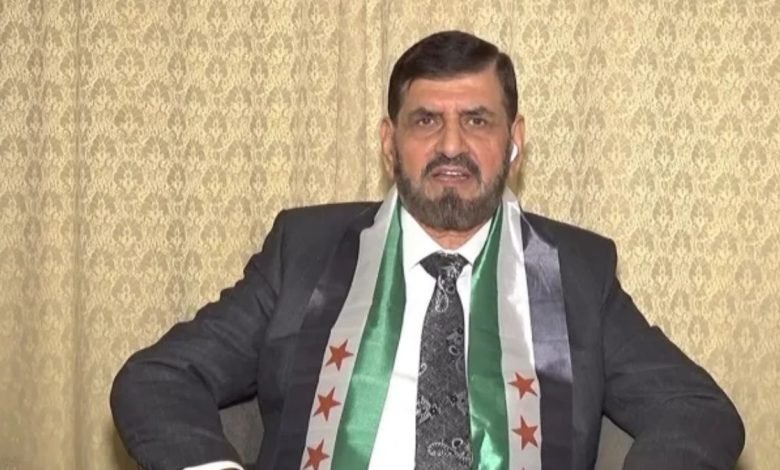
Damascus – The statements made by the media advisor to the interim president, Ahmed Muwafaq Zidan, calling on the Muslim Brotherhood in Syria to dissolve themselves, have reignited the debate about the future of the group and its role in the transitional phase. In its first official response, the Brotherhood leadership affirmed that the proposal does not represent the position of the Syrian authorities, but rather a “personal opinion” and nothing more.
The Group’s Position: “Existence is a National Necessity”
Amer Al-Bousalama, the general supervisor of the group, stated in an interview with Al Jazeera Mubasher on September 10 that dissolving the group “is not in Syria’s interest,” emphasizing that the Brotherhood would only take such a decision “if it sees it as a genuine national interest.” He added that the group has not received any official communication on the matter and considers its presence on the scene “necessary and an addition to the new Syrian reality.”
Background of the Call: “Integrating Cadres into the State”
Zidan published an article on August 22 via Al Jazeera Net in which he called on the Brotherhood to dissolve, considering that this step would encourage its cadres to engage in governmental work and contribute to state-building. He explained that his proposal came after “discussions and political approaches.”
Response to Accusations and Political History
The general supervisor stressed that the Brotherhood is a “national component” founded in 1945 by the preacher Mustafa Al-Sibai, and is not “an imported entity from abroad.” He recalled what he described as the “heavy price” the Muslim Brotherhood paid in facing the regimes of Hafez al-Assad and Bashar al-Assad. He also rejected criticisms referring to the “aging leadership,” affirming that the organization enjoys flexibility and dynamism that enable it to evolve and continue.
Between Support and Potential Pressures
Al-Bousalama announced that the group today stands “in one trench with the new leadership,” placing its expertise at the service of the state, while simultaneously emphasizing its right to remain part of political life. Conversely, researchers on Islamic groups believe that the Brotherhood currently leans towards staying but may face internal and regional pressures in the future that could push them towards the option of dissolution.
Previous Statement and Support for the Transitional Phase
It is noteworthy that the group issued a statement on August 7 following a meeting of its Shura Council, in which it declared its support for the “new era” in Syria, committing to work on building a modern civil state based on citizenship and pluralism, and rejecting tyranny, division, and partition projects.