The March 10 Agreement between Damascus and the SDF… A Stalled Path amid the Turkish Position
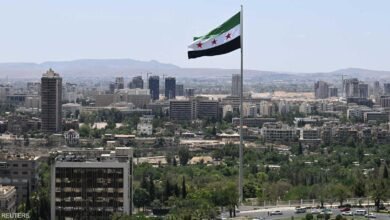
Since the fall of the Syrian regime, the map of military control in the country has witnessed wide shifts, as military formations coming from the north advanced and controlled large areas extending from Aleppo and its countryside to the outskirts of Hama and Homs, reaching the Syrian desert and Palmyra, before the Syrian Democratic Forces (SDF) withdrew after two days to their known positions east of the Euphrates River.
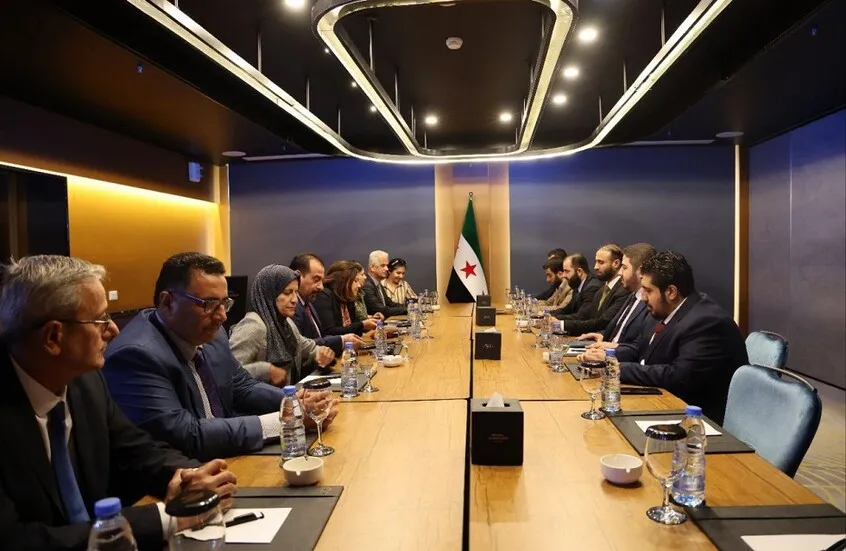
Amid these developments, the relationship between Damascus and the SDF has been characterized by a state of push and pull, until the announcement on March 10, 2025, of an agreement between the commander of the Syrian Democratic Forces, Mazloum Abdi, and the head of the Transitional Government in Syria, Ahmad Al-Shara, in a step that was described at the time as an attempt to reorganize the relationship between the two parties.
The agreement included provisions, the most prominent of which were a ceasefire across all Syrian territories, guaranteeing Kurdish rights in citizenship and the constitution, integrating civil institutions in northern and eastern Syria into state institutions, as well as rejecting calls for division and hate speech, with the implementation of the agreement scheduled to be completed before the end of the current year.
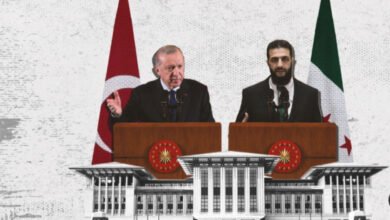
However, the agreement faced political and security challenges from the moment it was announced, preventing the implementation of most of its provisions. Ankara expressed reservations about the agreement through statements by Turkish President Recep Tayyip Erdoğan and Foreign Minister Hakan Fidan, in which they questioned the SDF’s intentions and demanded the disarmament of its forces, accusing it of being linked to the Kurdistan Workers’ Party, classified as a terrorist organization in Turkey.
Over time, the implementation of the agreement became increasingly stalled, as only the general ceasefire provision was practically achieved, despite repeated violations in several areas, including the vicinity of Tishreen Dam and the village of Ghanem Al-Ali, in addition to clashes that took place in the Ashrafieh and Sheikh Maqsoud neighborhoods in Aleppo during October.
In the context of the debate over the reasons for the agreement’s stalling, a report by the British Broadcasting Corporation (BBC Arabic) cited officials in the Autonomous Administration of North and East Syria accusing Turkey of playing a negative role in obstructing the agreement and exerting pressure on Damascus, thereby fueling the dispute between the two parties.
Conversely, the same report cited statements by Turkish writer and political analyst and member of the Justice and Development Party, Yusuf Katipoglu, who said that his country seeks to achieve a “real” integration of the SDF within the Syrian state institutions, considering that Turkey’s interest lies in dismantling the SDF’s military and organizational structure, surrendering its weapons, and fully integrating it without conditions.
Observers believe that the fundamental disagreement revolves around the nature of integration, as the SDF insists on maintaining its structure and political and military entity, while Ankara considers this approach unacceptable, placing the agreement before a political impasse that could threaten its continuity.
Amid regional position divergences and the complexities of the field situation, the March 10 agreement remains suspended between limited opportunities for implementation and the risks of complete collapse, amid anticipation of the positions that the relevant parties will adopt in the upcoming phase.
Amro Nasruddin
Journalist and Activist