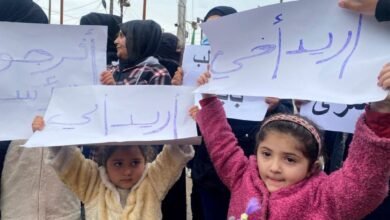
The Humanitarian Situation in Syria: Shocking Figures
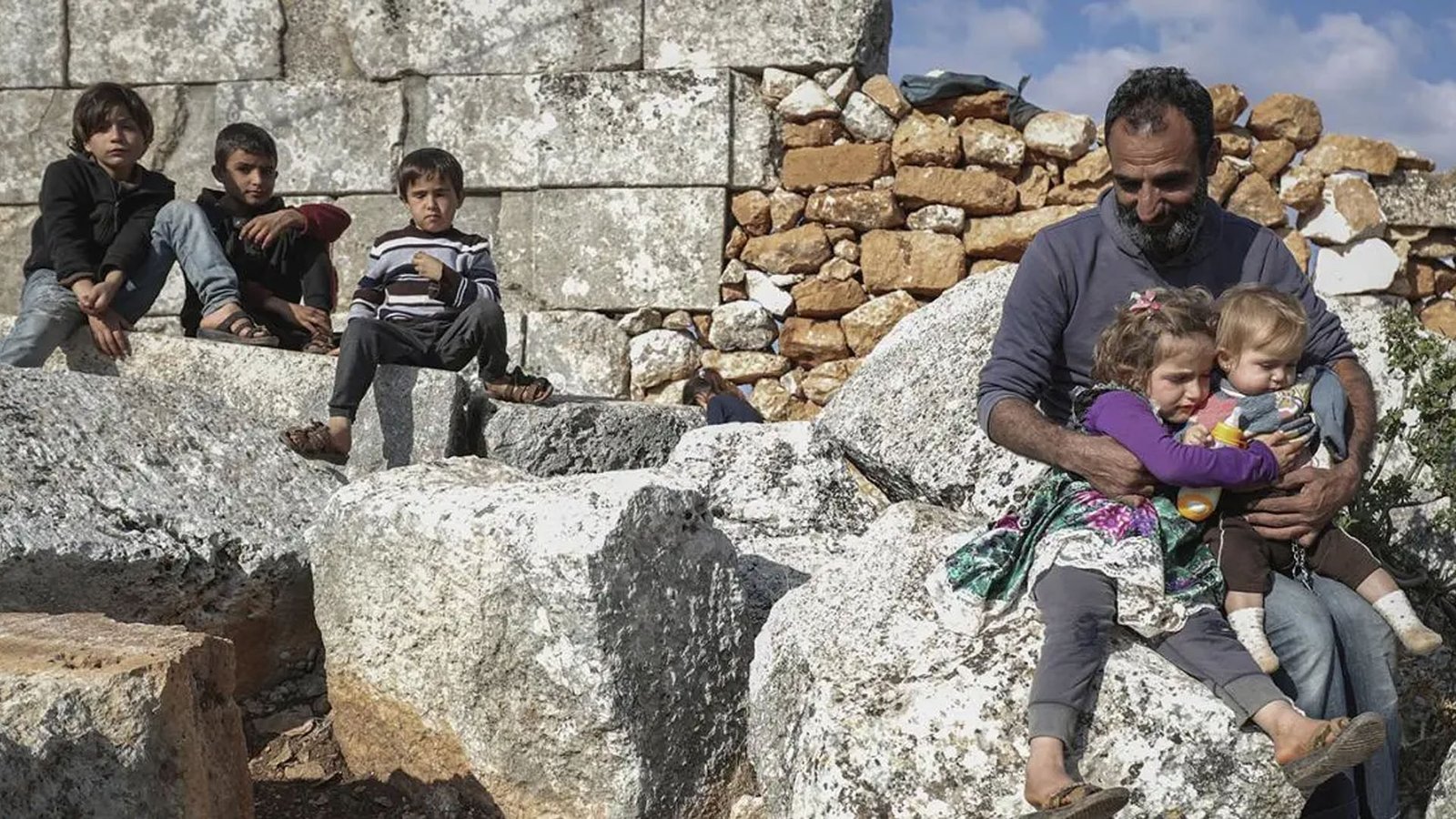
Up to 10.7 million people in Syria require humanitarian assistance, with over 8 million suffering from food insecurity, while about 90% of the population lives below the poverty line. In 2025, the crisis has worsened due to severe funding shortages; out of the $2 billion needed for the humanitarian response by June, only about 11% has been secured.
Impact of Funding Shortages
The severe lack of funding has resulted in at least a 40% reduction in humanitarian workforce and a significant cutback in the distribution of essential aid. For example, food baskets in camps have decreased from 350,000 to 40,000 per month, and funding for vital hospitals in several areas has been halted.
Distribution Challenges
Aid efforts face several key challenges, including:
Politicization of Aid: The use of cross-border aid mechanisms as a means of political pressure, hindering access and long-term planning.
International Sanctions: Despite the temporary suspension of some sanctions, banks remain risk-averse, disrupting financial transfers for humanitarian organizations.
Field Risks: Continued violence and explosive remnants of war have obstructed return and reconstruction, resulting in over 1,000 injuries or deaths since December, one-third of whom are children.
Local Role and the Future
Local organizations demonstrate greater adaptability and rapid response capabilities in affected areas. Despite calls by interim authorities to transition from a humanitarian aid model to a development model, this shift remains difficult without sustained and substantial financial support.