Tag: s3

  • Syrian Wealth Between Resource Management and Corruption Allegations Within the Transitional Government Authority

    Syrian Wealth Between Resource Management and Corruption Allegations Within the Transitional Government Authority

    Syria possesses vast natural resources, including oil, gas, phosphates, and large agricultural areas, forming an important foundation for reconstruction. Oil reserves are estimated at around 2.5 billion barrels, natural gas at approximately 8.5 trillion cubic feet, and phosphates at nearly two billion tons, along with 6.5 million hectares of arable land available for investment.

    Despite these potentials, the distribution of Syrian wealth has remained governed by complex political and security factors due to years of prolonged conflict, the multiplicity of controlling actors, and shifting zones of influence since 2011. Oil and gas fields are concentrated in Deir Ezzor, Al-Hasakah, and Raqqa, while the Syrian Democratic Forces have controlled most of these resources since 2017, whereas western regions were under the control of the previous government. By the end of 2024, new factions emerged in the management of these resources, reshaping the map of influence in the country.

    Corruption Allegations Surrounding Resource Management

    Investigative reports and local sources indicate that the Transitional Government Authority, led by Ahmad Al-Shar’a, faces widespread accusations related to the management of Syrian wealth. These reports state that Ahmad Al-Shar’a controls massive economic contracts valued at approximately $40 billion, most of which remain confidential, including road-paving contracts in Idlib worth about $12 million, with an additional reserve of up to $15 million.

    Sources also point to the involvement of other individuals within this network of influence, including:

    • Hazem Al-Shar’a: Ahmad’s brother, overseeing economic restructuring and managing assets exceeding $1.6 billion, including properties seized from businessmen and companies affiliated with the former regime.

    • Muhannad Al-Masri: A close friend of Ahmad Al-Shar’a, accused of theft within financial disputes inside the authority.

    • Maher Al-Shar’a and Abu Ibrahim Al-Salama: Financial influence partners allegedly involved in conflicts over signing fraudulent contracts for road projects in Idlib.

    • Abu Mariam Al-Australi: Head of the Economic Committee, controlling aid mechanisms and overseeing contracts, contributing to the diversion of large portions of aid toward fictitious projects or specific individuals.

    • The Al-Khayyat family (Moataz and Mohammad): Allegedly involved in paying bribes to protect their economic interests and contracts.

    The Media’s Role in the Corruption Network

    Investigations point to the involvement of certain media figures and journalists—such as Jamil Al-Hassan, Hadi Al-Abdullah, and Mousa Al-Omar—in providing media support to the authority in exchange for financial and material gains, including vehicles, restaurants, and properties. This role forms part of a propaganda machine that conceals facts and distracts public attention from financial corruption cases, reinforcing the continuity of this system without accountability.

    Mechanisms of Corruption and Its Impact on the Economy

    • Secret contracts concluded without oversight, often awarded directly, enabling the misuse of public funds.

    • Monthly revenues ranging between $100–150 million distributed among a narrow circle of influential figures without accountability.

    • Exploitation of refugee and humanitarian aid through commissions linked to the corruption network.

    • Intense internal disputes among corrupt actors themselves, reflecting the depth of financial and political influence.

    • Lack of transparency and accountability, with a hidden group controlling economic and financial decision-making.

    Impacts on Syrian Society

    If confirmed, these allegations lead to:

    • Increasing income inequality and rising poverty levels.

    • Erosion of the middle class and heightened economic and social polarization.

    • Loss of public trust in institutions, weakening the government’s capacity to provide effective services.

    • Depletion of national resources, threatening political and social stability in the long term.

    Prospects for Solutions and Restoring Stability

    Economic analysts emphasize that addressing these challenges requires:

    • Transparent policies and tax reforms.

    • Effective oversight mechanisms in resource management.

    • Separation between politics and economic administration.

    • Opening corruption files and investigating confidential contracts without exception.

    Overall, the combination of economic and political challenges—alongside recurring allegations of corruption within the Transitional Government Authority—constitutes one of the most significant obstacles to managing Syria’s wealth. It directly affects prospects for sustainable development and national stability, in addition to threatening the economic and social security of the Syrian people.
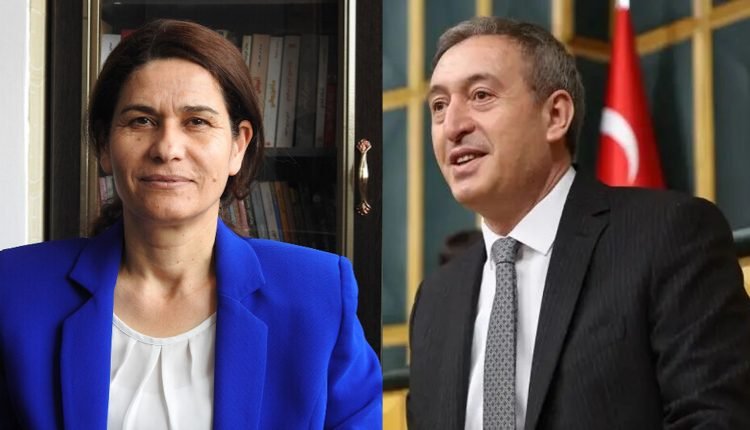
  • Bakirhan invites Elham Ahmad to visit Turkey to enhance dialogue on the Kurdish issue

    Bakirhan invites Elham Ahmad to visit Turkey to enhance dialogue on the Kurdish issue

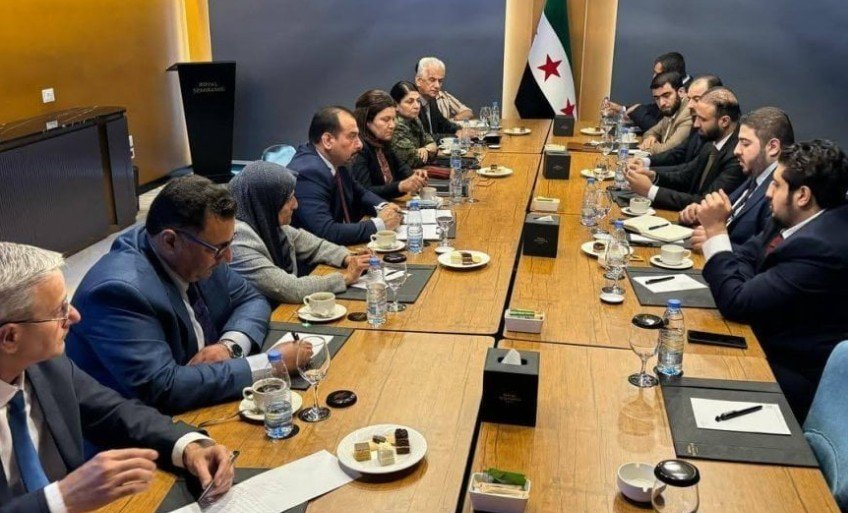
    The co-chair of the Peoples’ Democratic Party in Turkey, Tuncer Bakirhan, invited the Kurdish politician and co-chair of the Foreign Relations Department in the Autonomous Administration of North and East Syria, Elham Ahmad, to visit Turkey in order to enhance dialogue and the possibility of reaching an agreement.

    Bakirhan’s remarks came during a meeting of his party’s parliamentary group, where he spoke about a meeting between the delegation and the leader of the Kurdistan Workers’ Party, Abdullah Öcalan. He considered that this meeting brought the Kurdish issue onto a strong political platform, pointing out that it represents a step towards a solution.

    Bakirhan stated that the meeting in Imralı removed a significant obstacle to peace, adding that this courageous step towards building social peace would strengthen the foundation for a solution. He also confirmed that the delegation would hold another meeting with Öcalan on December 4th and that the delegation that visited Imralı would share the meeting minutes with the committee.

    In a related context, Bakirhan pointed out that the Autonomous Administration is struggling on one hand and, on the other hand, is extending a hand of friendship to its neighbors, emphasizing that a hand of friendship is extended from North and East Syria to Turkey in particular. He mentioned that Elham Ahmad had been invited to an international conference scheduled to be held in Istanbul at the end of the week, and that she had expressed her willingness to participate. However, he clarified that no official response regarding her attendance had yet been received, expressing his party’s hope for a “positive stance” on this matter.

  • Trump Praises Developments in Syria, Calls for Strong Dialogue Between Damascus and Tel Aviv

    Trump Praises Developments in Syria, Calls for Strong Dialogue Between Damascus and Tel Aviv

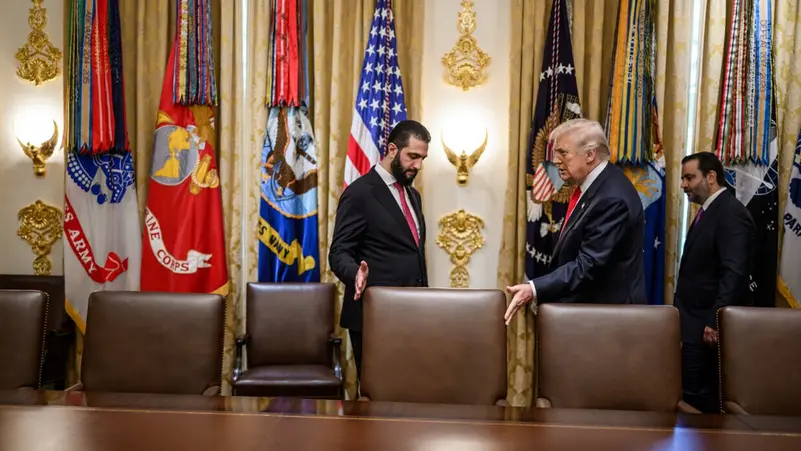
    U.S. President Donald Trump expressed satisfaction with the “results achieved” in Syria, affirming that Washington is working “with full effort” to support stability in the country and help it transition into “a real and prosperous state,” according to a post on his “Truth Social” platform.

    Trump said the United States “is doing everything it can to ensure that the Syrian transitional government continues to do what is intended,” noting that the lifting of recent U.S. sanctions has, in his view, contributed to improving conditions inside Syria. He added, “I believe that Syria, its leadership, and its people truly appreciated that.”

    The U.S. president argued that maintaining a “strong and genuine dialogue” between Syria and Israel is essential, stressing that this dialogue should not be hindered by tensions that could obstruct “Syria’s development into a prosperous state.” He also praised the work of Syria’s interim prime minister, Ahmed Al-Sharaa, saying he is “working hard to ensure good things happen,” and suggesting that the relationship between Syria and Israel could become “long and prosperous.”

    Trump described the current phase as a “historic opportunity” to strengthen what he called “the success already achieved in the Middle East peace process.”

    Meeting in Damascus

    Trump’s remarks coincided with an announcement from the Syrian presidency stating that Al-Sharaa had received U.S. Special Envoy to Syria Thomas Barak in Damascus. According to the presidency’s post on X, the meeting addressed regional developments and issues of mutual concern, in the presence of Foreign Minister Asaad Al-Shibani.

    Stalled Negotiations

    These developments come despite a report by Israel’s public broadcaster two weeks ago stating that negotiations with Syria had reached a “dead end,” noting that disagreements center on withdrawal from southern Syria. The broadcaster reported that Israel is conditioning a full “peace agreement” in exchange for withdrawal, refusing to settle for a mere “security arrangement.”

    Ahmed Al-Sharaa had previously emphasized that any final agreement requires an Israeli withdrawal to the lines of before 8 December 2024.

    Ongoing Incursions and Violations

    Despite the negotiation track, Israeli incursions in southern Syria continue — the latest being the entry of an Israeli military unit into rural Quneitra on Monday morning and evening. Since the fall of the former Syrian regime, Israel has reinforced its military presence in the south, crossing beyond the buffer zone stipulated in the 1974 Disengagement Agreement, including at a strategic observation point on Mount Hermon.

    According to diplomatic and media reports, six rounds of talks between Syrian and Israeli officials — held under U.S. mediation — have failed to produce a security agreement ensuring stability along the border area, before negotiations came to a halt in September 2025.

    Israel maintains “deep doubts” about the new Syrian government, insisting that southern Syria must be “weapons-free,” while Al-Sharaa affirms that Syria “poses no threat to any country in the region or the world.”

  • Continuing field tensions bring the March 10 Agreement back into question

    Continuing field tensions bring the March 10 Agreement back into question

    Intersecting field and political indicators suggest that the transitional government in Syria has made little progress in implementing most provisions of the March 10 Agreement, which was signed in Damascus between the head of the transitional government, Ahmad Al-Shar’a, and the General Commander of the Syrian Democratic Forces, Mazloum Abdi, and which includes eight main articles aimed at establishing a framework for a political settlement and comprehensive stability in the country.

    According to informed sources, the transitional government has focused in recent weeks on the provision related to integrating the Syrian Democratic Forces into state institutions, without taking clear steps regarding the other provisions related to the political process, the ceasefire, the return of displaced persons, and the promotion of social coexistence. These sources believe that the lack of comprehensive implementation of the remaining provisions has contributed to renewed security tensions in some areas.

    This comes despite the fact that the March 10 Agreement topped international political discussions, including the meeting between U.S. President Donald Trump and the head of the transitional government on October 10, in addition to a trilateral meeting that brought together the foreign ministers of the United States, Turkey, and the transitional government, where the U.S. side stressed the need for full commitment to the provisions of the agreement as an essential step toward Syria’s stability.

    Among the key provisions of the agreement are ensuring political participation for all Syrians, recognizing the Kurdish community as an integral component, a comprehensive ceasefire, the integration of civil and military institutions in northern and eastern Syria into state structures, guaranteeing the return of displaced persons, as well as combating terrorism and rejecting hate speech.

    On the ground, local reports indicate that the areas of northern and eastern Syria, in addition to the Sheikh Maqsoud and Ashrafieh neighborhoods in Aleppo, have witnessed more than 16 attacks and incidents over the past ten days, some attributed to forces linked to the transitional government and others to ISIS cells in Raqqa, Deir ez-Zor, and Tabqa. These developments indicate a lack of practical commitment to the ceasefire provision included in the agreement.

    The Syrian Democratic Forces affirm that they repelled the attacks and continue to “work to protect stability,” while the transitional government has not issued a direct comment on the accusations related to violating the ceasefire.

    Meanwhile, thousands of displaced people in shelter centers within the Autonomous Administration areas await their return to their homes, amid the absence of executive measures for the fifth provision of the agreement, which concerns ensuring safe return and protecting residents.

    Media materials issued by official and affiliated outlets of the transitional government also indicate the continuation of political rhetoric that contradicts the seventh provision of the agreement, which stipulates rejecting calls for division, rejecting hate speech, and promoting coexistence.

    Conversely, institutions of the Autonomous Administration in northern and eastern Syria say they continue to push for the implementation of the agreement “in all its provisions,” considering its application “a fundamental entry point for a comprehensive political solution and for ensuring the unity and stability of the country.”

    The coming weeks remain open to further international scrutiny of the fate of the agreement, amid the absence of clear indicators so far regarding implementation mechanisms and the guarantees required to prevent further escalation.

  • Christians in North and East Syria: A Historical Presence and Sacrifices Amid Ongoing Conflicts

    Christians in North and East Syria: A Historical Presence and Sacrifices Amid Ongoing Conflicts

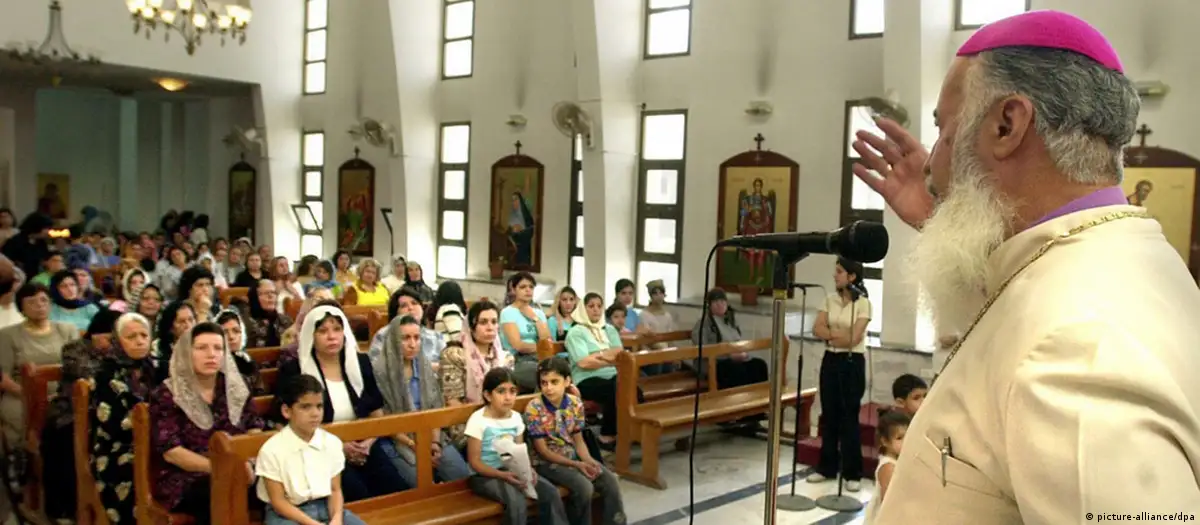
    The Syriac–Assyrian community, along with other Christian groups, forms an essential part of the diverse social fabric of North and East Syria. These communities have preserved their cultural and religious heritage despite the conflicts the region has witnessed over the past years.

    The Christian demographic presence in North and East Syria is primarily concentrated in the governorates of Hasakah, Raqqa, and Deir ez-Zor, in addition to major cities such as Qamishli, Derik (Al-Malikiyah), Tirbe Spiyeh (Al-Qahtaniyah), and Karaki Laki (Al-Maabadah). Christians constitute a key component of this region, which is also home to Arabs, Kurds, Syriacs, Assyrians, Armenians, and Turkmen—contributing to the cultural and social diversity of the area.

    The Assyrian villages along the Khabur River in Hasakah Governorate were subjected to one of the most significant attacks in February 2015, when ISIS launched a large-scale operation that resulted in the kidnapping of between 220 and 285 civilians, including women and children. The attack also led to the destruction of property and churches, causing a massive displacement of the population and a decline in their demographic presence in the region.

    In response to security threats, local self-defense forces were formed over the past years, most notably the Syriac Military Council (MFS), established in January 2013, along with the Sutoro forces and the Khabur Guards. These formations later joined the Syrian Democratic Forces (SDF) and the Internal Security Forces, contributing to the protection of the areas inhabited by these communities and enabling some residents to return.

    Politically, Christian parties and organizations—including the Syriac Union Party and the Assyrian Democratic Organization—participate in the institutions of the Autonomous Administration of North and East Syria, which has adopted the principle of pluralism and introduced Syriac and Armenian languages into its educational curricula. Community leaders emphasize the importance of coexistence, noting that the town of Tel Tamer stands as an example of social diversity in the region.

    Bishop Maurice Amsih, the Syriac Orthodox Bishop of Jazira and the Euphrates, said:”This city and this region, which we are proud of throughout the ages, are built on shared living among Syriacs, Armenians, Assyrians, Chaldeans, Kurds, Arabs, and Yazidis. We take pride in all the components of the Jazira as if they were a bouquet of flowers of all colors, each with its own fragrance. We complete one another in our shared living through good times and hard times, despite the painful events we have endured. But today, the sun of freedom, love, and peace shines for all components, so that they may live the joy of peace and love and take part in building a modern Syria for the good of all its children. We live together as one family, brothers from all components—we rejoice together and grieve together. We ask God to bring security, safety, peace, goodness, and blessings to this good land—the land of Jazira, the land of goodness and giving for all its people. There is no fear for Northeast Syria, no fear for Jazira, and no fear for Syria, no matter what hardships come. We cannot forget the painful, tragic days that wounded our hearts, when ISIS descended upon the Khabur villages. They displaced people, kidnapped many, even taking them to Raqqa as captives and slaves, burning churches and destroying everything. Sons of ours—Syriacs, Assyrians, Kurds, and Arabs—were martyred in that battle; we consider all of them our children. The soil of Jazira and Northeast Syria was cleansed by the blood of the martyrs, and without their blood, we would not have life on this earth. Mercy to the martyrs, and long life to you all.”

    Abgar Nohomo, a member of the General Command of the Syriac Military Council, affirmed:

    “The Syriac Military Council was founded on the eighth of January 2013 by a group of young Syriac–Assyrian Christians due to the events that erupted in the region with the start of the Syrian revolution and the spread of destruction and armed terrorist groups that practiced kidnapping and intimidation. After the regime withdrew and abandoned the population, young Syriac–Assyrian Christians felt the imminent danger threatening their people, churches, neighborhoods, and homes, which compelled them to take up arms to protect their land and defend the Syriac–Assyrian people, the Christian community, and all components of the region, since the threat targeted everyone. The danger was looming over all the inhabitants of North and East Syria.”

    Wael Mirtha, a member of the Executive Committee of the Assyrian Democratic Party, stated:

    “The Assyrians lived in peace and security, and the Assyrian by nature is peaceful with all components. They lived in the Khabur villages in peace with their Kurdish and Arab brothers, although the chauvinistic regime attempted to sow division and deprived the Assyrians of their national rights and recognition in the Syrian constitution as an indigenous people. The Assyrian villages along the Khabur number 36, and the villages belonging to the Tel Tamer subdistrict are the largest. The truth is that coexistence is a culture we were raised on. Assyrians lived with us in Tel Tamer—with Kurds and Arabs—as brothers, working together especially in agriculture. That is why we always say that Tel Tamer is the capital of the brotherhood of peoples in North and East Syria.”

    Horo Serbion Sarkis Samuel, an administrator in the Internal Security Forces (Sutoro), also confirmed:

    “The establishment of the Democratic Autonomous Administration means the participation of all components and groups in forming this administration. Naturally, all components should take part in negotiations on the political, military, and security levels, as every component began defending itself and defending the others.”

    Nabil Warda, commander of the Assyrian Khabur Guards Council, added:”As Assyrians, we speak Assyrian, Kurdish, and Arabic due to the interconnection and close ties among the components. In this period of about ten years, we remember the difficult days during the war against ISIS. February 23, 2015, was a very heavy day for the Assyrian community—most of our comrades were martyred after the stages of the revolution, and those days were among the hardest moments our people have endured.”

  • Turkish Companies Involved in Supplying Weapons and Gold from Sudan Despite International Ban

    Turkish Companies Involved in Supplying Weapons and Gold from Sudan Despite International Ban

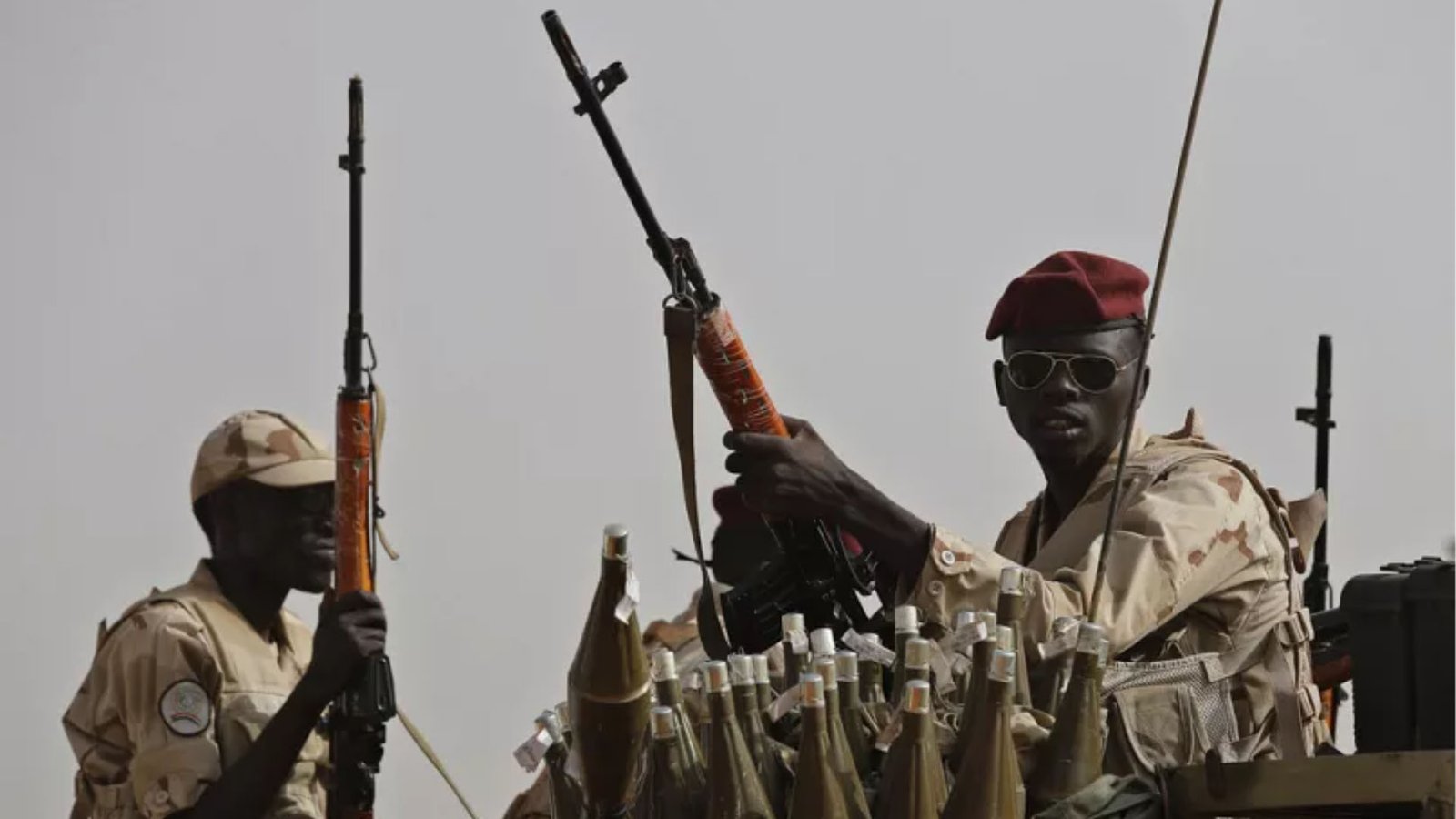
    A report published by The Washington Post revealed the involvement of Turkish companies in providing both warring sides in Sudan with weapons and military equipment, while other Turkish firms continue to refine and import Sudanese gold to Turkey despite the international arms trade sanctions imposed on Khartoum.

    According to the report, released in March 2025, Turkey plays a dual role in Sudan’s civil war — ongoing for more than two years — by selling weapons to both parties under the guise of “mediation for peace,” while simultaneously importing Sudanese gold through Ahlatçi Holding, a major Turkish conglomerate based in the city of Çorum.

    The report noted that Baykar Defense, owned by Selçuk Bayraktar, the son-in-law of Turkish President Recep Tayyip Erdoğan, signed a $120 million deal with the Sudanese army in 2023 to supply eight TB2 drones and hundreds of missiles, despite the ongoing arms embargo on Sudan.

    The newspaper stated that Baykar employees were sent to Sudan to oversee drone operations, while another Turkish company known as Arca Defense maintains commercial relations with the Rapid Support Forces (RSF) led by Mohamed Hamdan Dagalo (Hemedti), supplying them with military equipment as well, according to documents reviewed by the paper.

    In return, Turkish companies have been granted privileges in the trade of gold, copper, and other precious minerals from Sudan. The report said that Ahlatçi Holding transports quantities of Sudanese gold to Turkey for refining and re-export.

    Ahlatçi Holding traces its roots back to the 1980s, when it began as a small jewelry business before becoming one of Turkey’s largest companies in gold and energy trading. The firm had previously played a similar role in transporting gold from Venezuela to Turkey in 2019.

    The report comes as the war between the Sudanese Armed Forces (SAF), led by Abdel Fattah al-Burhan, and the Rapid Support Forces continues since April 2023, leaving more than 150,000 people dead and displacing over 12 million, according to UN estimates.

  • Al-Shibani: Strengthening Justice and Civil Peace in Syria Without Foreign Intervention

    Al-Shibani: Strengthening Justice and Civil Peace in Syria Without Foreign Intervention

    Syrian Transitional Government Foreign Minister Asaad al-Shibani announced on Sunday that the government seeks to build an independent Syrian state free from any foreign interference or political polarization, affirming its commitment to ensuring that the country becomes a source of security and stability at the local, regional, and international levels.

    Al-Shibani’s remarks came during his participation in the Manama Dialogue 2025 forum in the Bahraini capital, where he stressed that the transitional government aims to maintain a balance in its relations with all parties, avoiding alignment with one side at the expense of another.

    The minister explained that the new government is committed to upholding the rule of law as a fundamental standard in state governance, regardless of religious or sectarian backgrounds, noting the establishment of national committees such as the National Committee for the Missing and the National Committee for Transitional Justice to ensure the protection of citizens’ rights and the achievement of justice.

    Al-Shibani added that the government is working to promote civil peace and cultural and religious diversity, and that it is opening the doors of cooperation with international allies and partners to support reconstruction and development efforts in Syria.

    It is worth noting that these statements come within the context of the transitional government’s efforts to lay the foundations of an institutional state following the ouster of the former regime in December 2024, amid ongoing security and political challenges across the country.

  • U.S. State Department: Trump Administration Backs Lifting “Caesar Act” Sanctions on Syria

    U.S. State Department: Trump Administration Backs Lifting “Caesar Act” Sanctions on Syria

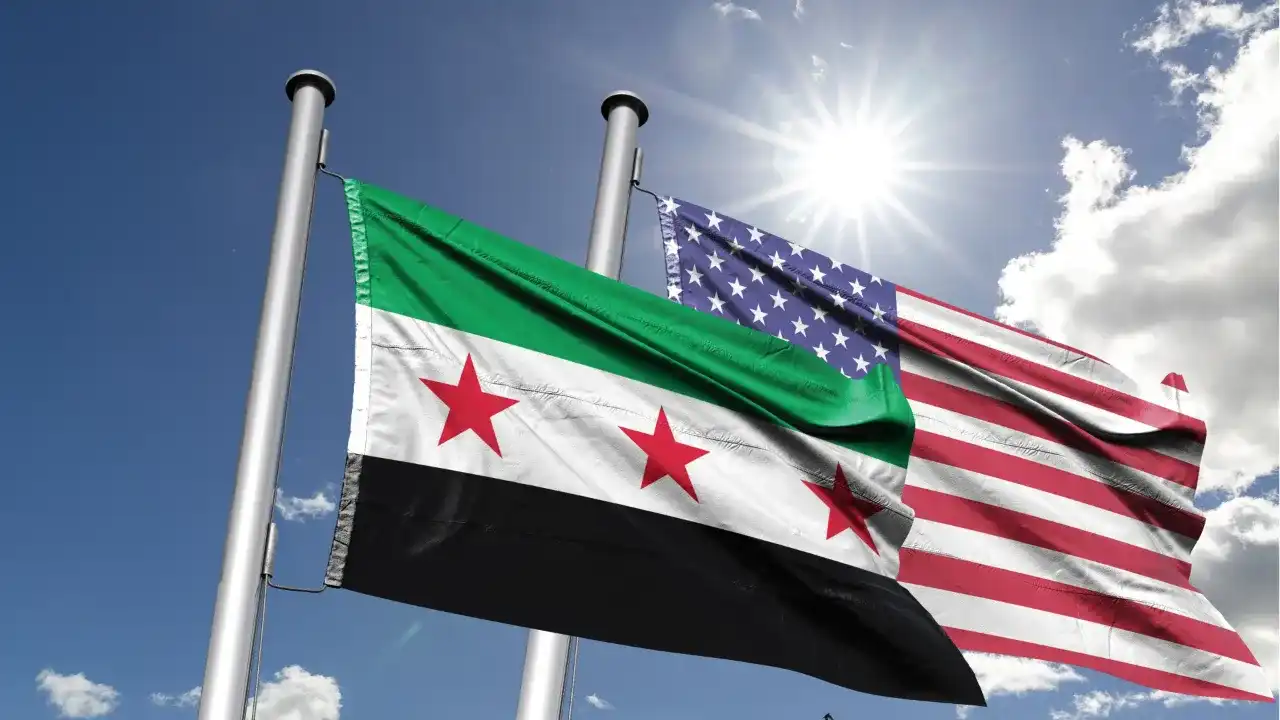
    A spokesperson for the U.S. Department of State said that President Donald Trump’s administration supports lifting the sanctions imposed on Syria under the “Caesar Act,” as part of the National Defense Authorization Act (NDAA) currently under discussion in Congress.

    The spokesperson explained that the United States maintains regular contact with its regional partners, emphasizing that Washington “welcomes any investment or engagement in Syria that contributes to building a peaceful and prosperous state.”

    This position comes as the White House intensifies pressure on U.S. lawmakers to lift the remaining sanctions on Damascus, warning that their continuation could weaken the Syrian Transitional Government, which the current administration views as a key pillar of its regional strategy.

    President Trump had already lifted most U.S. sanctions on Syria through an executive order issued after Ahmed al-Sharaa assumed the presidency in December, though the Caesar Syria Civilian Protection Act remains in effect, as its repeal requires Congressional approval.

    The law, enacted in 2020, was designed to hold the former Syrian regime accountable for widespread abuses against civilians and targets institutions and individuals supporting the Syrian military and state industries.

    In remarks to reporters, U.S. Envoy to Syria Tom Brack said that “The Caesar Act served its moral purpose against Assad, but today it is suffocating a nation trying to rise from the rubble,” calling for “one of the most significant reconstruction efforts since post–World War II Europe.”

    The latest draft of the NDAA includes a provision to repeal the Caesar Act, while requiring the U.S. president to certify every six months that the Syrian Transitional Government adheres to specific conditions — including refraining from military action against Israel and expelling foreign fighters from the country.

    According to the report, the legislation is expected to be finalized and sent to President Trump for signature before the end of the year.

    Earlier, Envoy Tom Brack had called on the Syrian Democratic Forces (SDF) to “reach an understanding with the government in Damascus,” emphasizing that “President Trump’s vision is to give Syria a new chance.”

    He added: “We want a united Syria and a constitution that guarantees a parliament representing all components — not a sectarian state, nor a separate entity for the SDF.”

    Brack stressed that lifting sanctions has given Syrians hope for a new phase of reconstruction and development.

  • The Spread of Unregulated Weapons Increases the Threat to Syrian Universities

    The Spread of Unregulated Weapons Increases the Threat to Syrian Universities

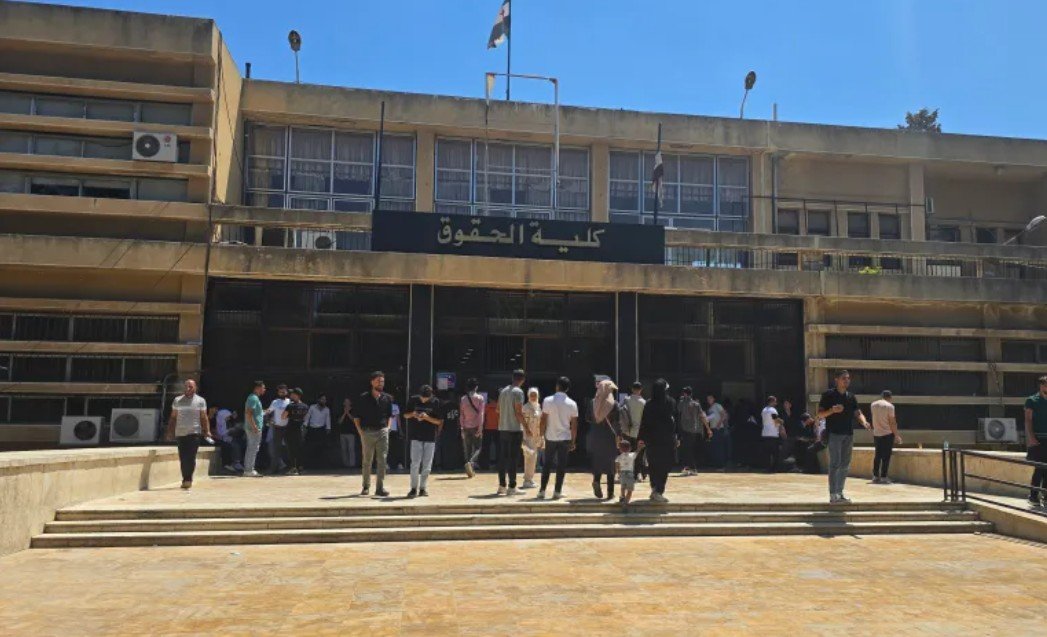
    Syrian universities have recently witnessed a series of violent incidents, signaling the ongoing impact of the 14-year-long war within academic institutions. Observers warn that this presents the greatest challenge to universities since their establishment.

    These incidents have negatively affected the educational mission of universities, with some institutions shifting from beacons of knowledge to arenas for settling scores—undermining the quality and regional and international standing of higher education.

    At Damascus University, members of the Faculty of Arts and Humanities staged a protest last Sunday in condemnation of an attempted assassination targeting the Dean, Dr. Ali Al-Lahham, after armed individuals stormed the university campus and threw a hand grenade that failed to detonate.

    Similarly, university professor Dr. Muslim Al-Youssef survived an assassination attempt last week in the city of Khan Shaykhun, southern Idlib countryside. These incidents coincided with reports of attacks on Druze students in Suwayda, highlighting the pervasiveness of violence and the broader impact of the country’s deteriorating situation on university campuses.

    Observers and academics, including Dr. Taysir Al-Masri, Head of the Accounting Department at Damascus University, attribute the phenomenon to the spread of unregulated weapons and the absence of effective deterrent measures. They also point to a societal culture that weakens respect for the law and academic professionals. Continued violence, they warn, is prompting qualified academics to emigrate, resulting in a shortage of teaching staff and a decline in educational quality.

    Following the incident involving the Dean of the Faculty of Arts, Minister of Higher Education Marwan Al-Halabi expressed his “deep regret,” confirming that investigations are ongoing and that legal action will be taken against those responsible to ensure the protection of universities and their staff.

    Academics—including Dr. Majdi Al-Jamous from the Faculty of Economics in Daraa and Dr. Abdulrahman Mohammad from Hama University—called for the restoration of academic culture, the enforcement of stricter penalties, the establishment of independent specialized security units within campuses, and the introduction of legislation that criminalizes violence against universities.

    They warned that the continued presence of unregulated weapons and violence on campuses could lead to a mass exodus of academic talent, further erode international trust in Syrian university degrees, and strip institutions of their cultural and academic diversity.

    They emphasized that protecting universities is an investment in Syria’s future and that a collective effort involving the government, academic institutions, and civil society is essential to confront this growing threat.

  • Egypt Affirms Urgent Start of Early Recovery Plans for Gaza Strip

    Egypt Affirms Urgent Start of Early Recovery Plans for Gaza Strip

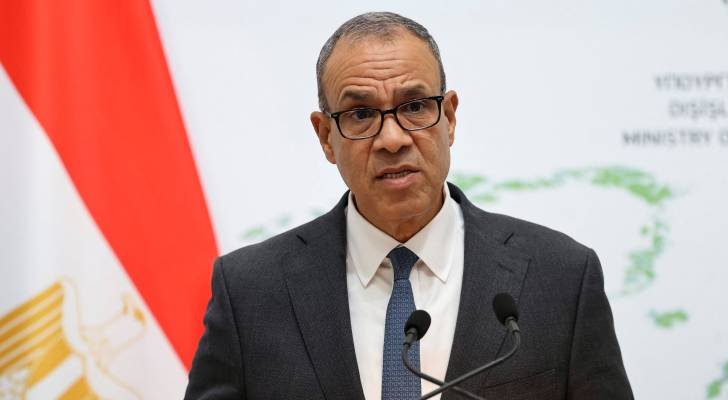
    Egyptian Foreign Minister Badr Abdel Aaty emphasized the urgent need to begin implementing early recovery and reconstruction plans in the Gaza Strip as soon as possible, noting that these efforts are being carried out within a comprehensive vision that safeguards the rights of the Palestinian people.

    These statements coincide with Egyptian President Abdel Fattah El-Sisi’s announcement that Egypt will host an international conference on Gaza reconstruction next November, and his directive to the government to establish a national mechanism for collecting contributions and donations for this purpose.

    Abdel Aaty explained that separate phone calls he held with the foreign ministers of Italy, Spain, Germany, and Canada addressed the ongoing preparations for the international conference. He stressed the immediate need to begin implementing recovery and reconstruction plans in line with both the Arab-Islamic reconstruction plan and U.S. President Donald Trump’s Middle East peace initiative.

    The Arab-Islamic agreement, adopted by the Arab League and the Organization of Islamic Cooperation last March, aims to rebuild Gaza over five years at an estimated cost of $53 billion. The ceasefire agreement is based on the release of detainees, the disarmament of Hamas, and the entry of humanitarian aid.

    According to the statement issued by the Egyptian Foreign Ministry, the four foreign ministers expressed their appreciation for “Egypt’s pivotal role in supporting regional stability,” confirming their commitment to continued coordination with Cairo on early recovery and reconstruction efforts.

    On the ground, the Israeli army announced on Monday evening the return to implementing the ceasefire agreement in the Gaza Strip, following hours of limited military escalation in the southern part of the enclave. The statement affirmed the Israeli army’s commitment to the understandings, while press reports indicated that the strike was carried out under U.S. supervision to ensure a proportionate response without jeopardizing the agreement.

    This development comes amid cautious anticipation of the situation on the ground, as international mediators—particularly the United States—continue efforts to stabilize the agreement and prevent another collapse.