Tag: s1

  • The body of a man shot dead was found in Homs amid ongoing security chaos

    The body of a man shot dead was found in Homs amid ongoing security chaos

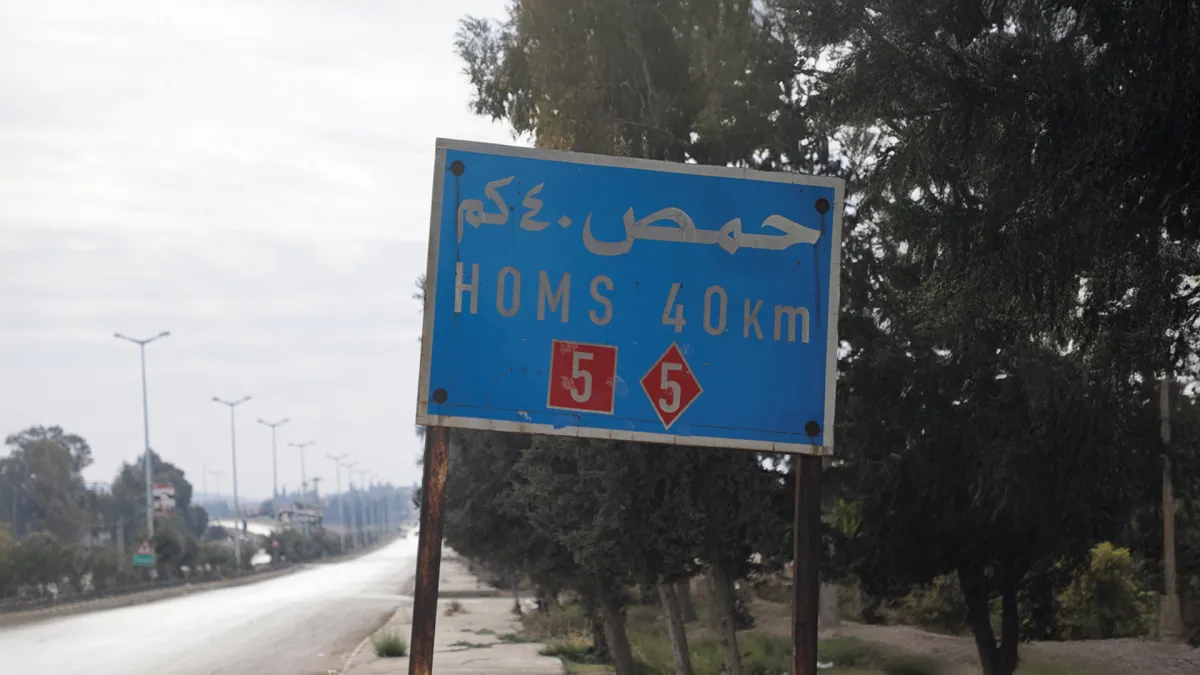
    The body of Hussam Ahmad Badour, 41, was found dumped in a street in the Wadi al-Sayeh neighborhood of Homs city this morning, days after contact with him had been lost.

    He had been missing since Saturday, March 28, after leaving his job at a restaurant in the Khalidiya neighborhood. On the following morning, reports emerged of an unidentified body at Karam al-Loz Hospital, where his brother was later able to identify him.

    Preliminary findings showed that the victim was killed by a gunshot wound to the head. He was the father of two children.

    The incident once again highlights the continuing state of security disorder in Homs, amid growing fears among residents over the recurrence of such crimes in the absence of effective deterrent measures by the relevant authorities.

    The killing comes as part of a series of murder incidents recorded across the governorate since the beginning of 2026. The Syrian Observatory for Human Rights has documented the deaths of 64 people in similar incidents across various governorates, including 34 cases in Homs alone.

  • Akitu Celebrations Revive the Legacy of Ancient Civilizations

    Akitu Celebrations Revive the Legacy of Ancient Civilizations

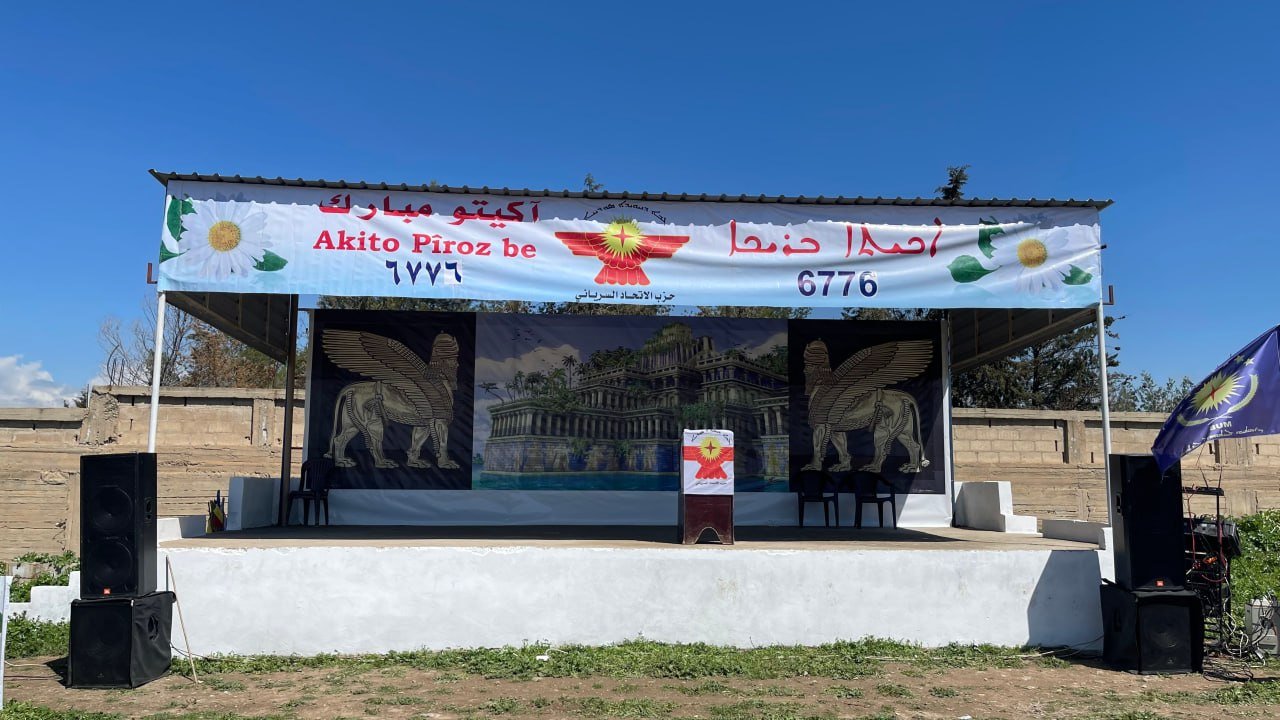
    Syriac, Assyrian, and Chaldean communities celebrate Akitu, the Babylonian New Year, on the first of April every year.

    This year, the cities of Hasakah and Qamishli, along with several other areas, witnessed a wide festive atmosphere. Nighttime car parades took to the streets of both cities, with participants raising flags and traditional symbols amid remarkable public participation from members of the Syriac-Assyrian community. In Hasakah, the procession toured the city’s neighborhoods starting from the Al-Nasra district, while Qamishli saw a similar parade as part of the occasion’s official program of events.

    The celebrations continue today through festivals and central events in Qamishli and other areas, featuring folkloric performances, traditional songs, and folk dances in a scene that reflects a strong commitment to cultural and historical identity, and sends a message affirming the continuity of this ancient civilizational heritage from one generation to the next.

    This year, Akitu marks the year 6776 according to the Babylonian-Assyrian calendar, remaining a symbol of renewal, peace, and the cultural diversity that characterizes the regions of North and East Syria.

  • A traffic accident claims the life of a young girl in the city of Qamishlo

    A traffic accident claims the life of a young girl in the city of Qamishlo

    A six-year-old girl died yesterday as a result of a traffic accident that occurred on one of the main public roads in the city of Qamishlo, while she was heading to the market with her family.

    The Traffic Department explained that the accident was caused by excessive speeding and the driver’s lack of attention, coinciding with the girl’s presence in the street, which resulted in her immediate death from her injuries.

    This incident comes only a few days after a similar accident in the city, where another young girl lost her life on the “Harat Tay” road, indicating a troubling recurrence of traffic accidents.

    The Traffic Department urged drivers to strictly adhere to traffic laws and reduce speed, especially inside residential neighborhoods, in order to preserve civilian safety.

  • Reopening of the Al-Waleed Border Crossing

    Reopening of the Al-Waleed Border Crossing

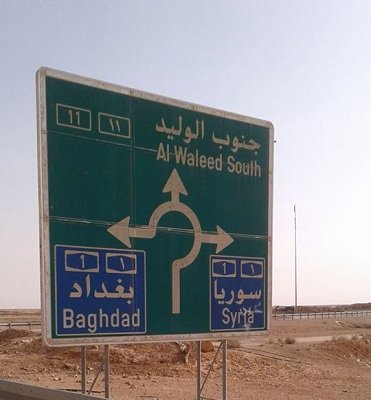
    The Iraqi and Syrian authorities announced on Tuesday, March 31, 2026, the trial reopening of the Al-Waleed border crossing—known on the Syrian side as the Al-Tanf crossing—after years of closure due to prevailing conditions.

    The first convoys of Iraqi crude oil tankers immediately began crossing into Syrian territory, heading toward the Baniyas Oil Refinery on Syria’s coast, in a strategic move aimed at strengthening Iraq’s overland oil export routes.

    Mujahid Marhi Al-Dulaimi, Director of Al-Waleed Subdistrict in Iraq’s Anbar Governorate, stated that the crossing witnessed a pilot reopening today, with crude oil tankers entering directly. He confirmed that more than 150 tankers were ready to cross, expecting the daily transit rate in the initial phase to reach 500 oil tankers per day.

    For his part, Mazen Alloush, Director of Relations at the Syrian General Authority for Border Crossings and Customs, announced the reopening of the crossing as part of efforts to enhance economic cooperation between the two countries. He pointed to the start of convoy movements toward the Baniyas terminal, reflecting the reactivation of commercial transit and the flow of energy supplies through Syrian territory.

  • A Visit by Al-Hasakah Governor to Damascus to Discuss Service Development and Revitalizing Public Service Departments

    A Visit by Al-Hasakah Governor to Damascus to Discuss Service Development and Revitalizing Public Service Departments

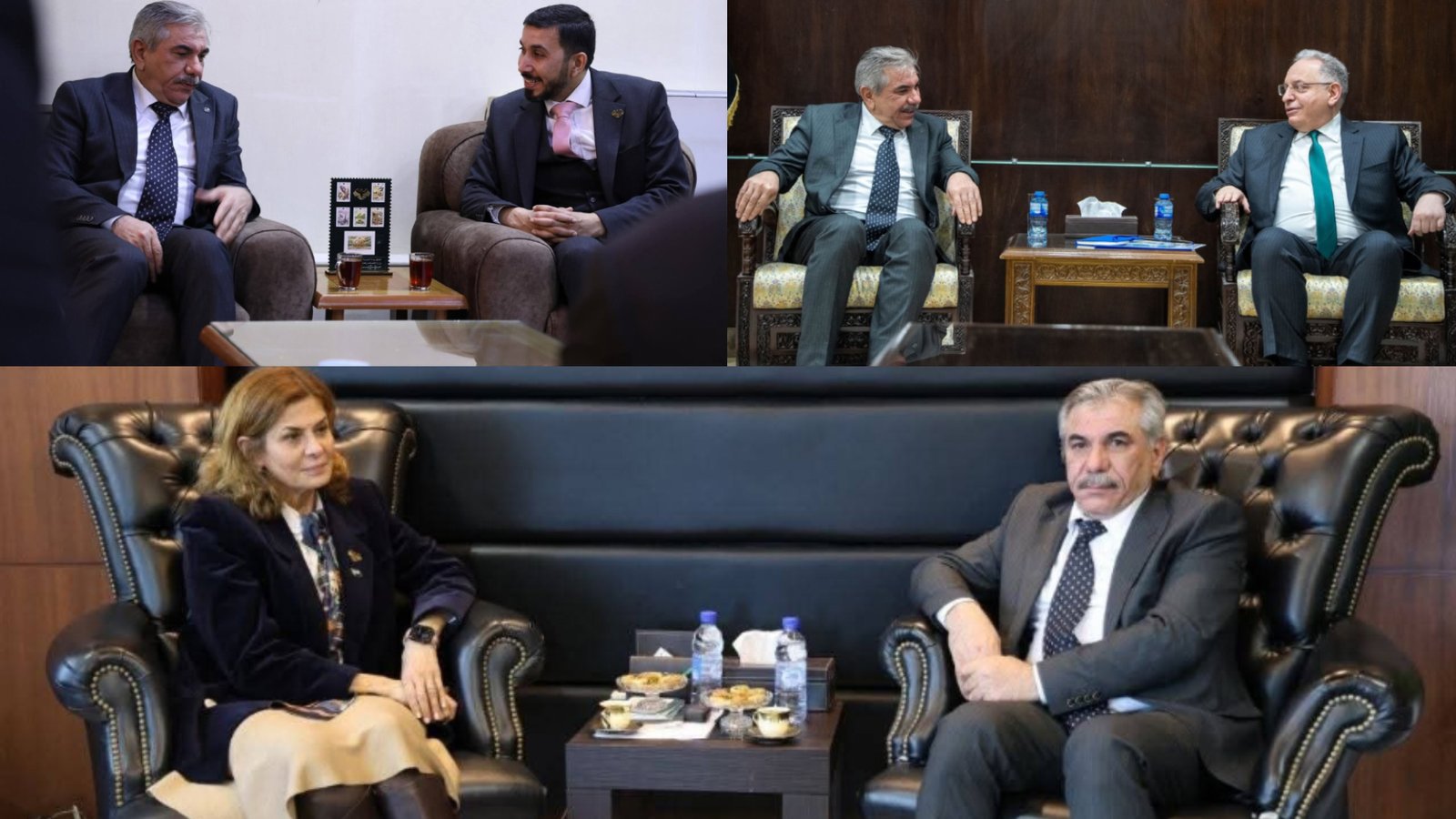
    Al-Hasakah Governor Nour al-Din Ahmad visited the capital, Damascus, where he held a series of meetings with officials in the Syrian Interim Government aimed at reactivating state institutions, with a focus on mechanisms for integrating employees, improving services, and revitalizing public service departments such as postal services, banks, electricity, and water directorates.

    During his meeting with the Minister of Social Affairs and Labor, Hind Qabawat, the two discussed ways to strengthen cooperation and coordination among the relevant bodies in a manner that contributes to improving institutional performance within the governorate.

    The meeting emphasized the importance of intensifying joint efforts to activate coordination mechanisms among various institutions, while giving special attention to the file of integrating employees within the directorates.

    The two sides also discussed a number of organizational and administrative issues related to workflow, in addition to the means capable of raising institutional efficiency and improving the level of services.

    The governor also held a meeting with the Director General of the Syrian Postal Corporation, Imad al-Din Mohammad, during which they reviewed the current state of postal services and ways to develop them, while stressing the continuation of postal operations in Al-Hasakah Governorate.

    The governor expressed the governorate’s readiness to provide the necessary support and facilitation to enhance the quality of services and expand them further.

  • A Tribal Reconciliation Ends a 14-Year Dispute in the Western Countryside of Kobani

    A Tribal Reconciliation Ends a 14-Year Dispute in the Western Countryside of Kobani

    Yesterday, the western countryside of Kobani witnessed a historic tribal reconciliation ceremony between two families from the villages of Ashma and Jabneh, bringing to an end a dispute that had lasted for more than 14 years.

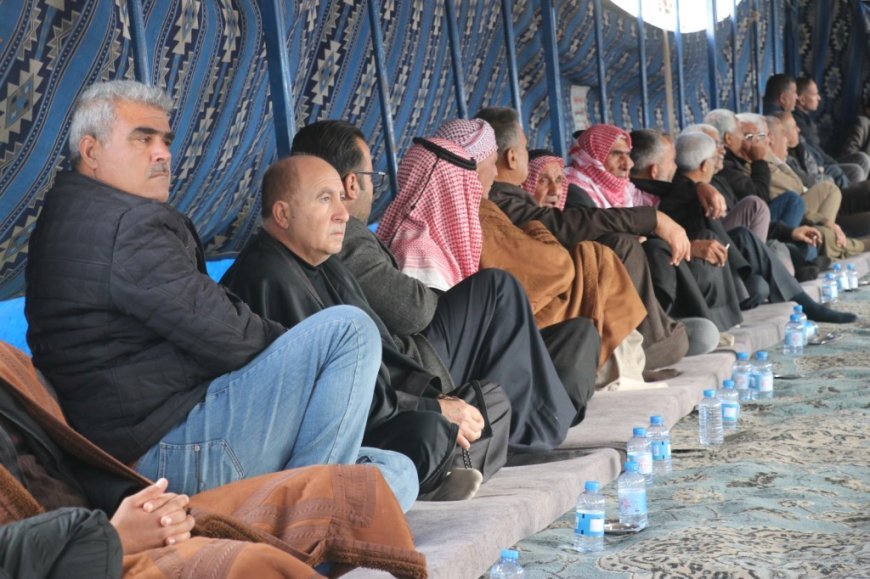
    The ceremony was held in the village of Jabneh in the presence of a large gathering of local residents, dignitaries, and tribal elders. Prominent military and political figures also took part, including:

    General Commander of the Syrian Democratic Forces, Mazloum Abdi

    Brigadier General Samir Ali Oso (Sipan Hamo), Deputy Minister of Syrian Defense

    Leaders from the Syrian Democratic Forces

    Farhan Haj Issa, Co-Chair of the Executive Council in Kobani, along with his deputies

    Other social and political figures, including the father of General Mazloum Abdi

    Farhan Haj Issa, the Co-Chair of the Executive Council in Kobani, also delivered a speech, saying:

    “We are capable of resolving all problems, and we have now reached a stage where we were able to solve the issue between the two families and bring them together. These people represent Kobani, and we hope that all families will unite so our people may live in peace.”

    The session began with a minute of silence in honor of the martyrs, followed by speeches from those in attendance emphasizing the importance of reconciliation, turning the page on the past, and strengthening social unity and stability in the region.

    The speakers praised the role of the Reconciliation Committee within the Autonomous Administration of North and East Syria for bringing both sides together and ending the dispute.

    This event comes as a positive step toward strengthening civil peace, as residents expressed hope that the reconciliation would mark the beginning of a new phase of coexistence and cooperation among all components of the people.

  • Discovery of a Mass Grave in al-Naqqireen Near Aleppo

    Discovery of a Mass Grave in al-Naqqireen Near Aleppo

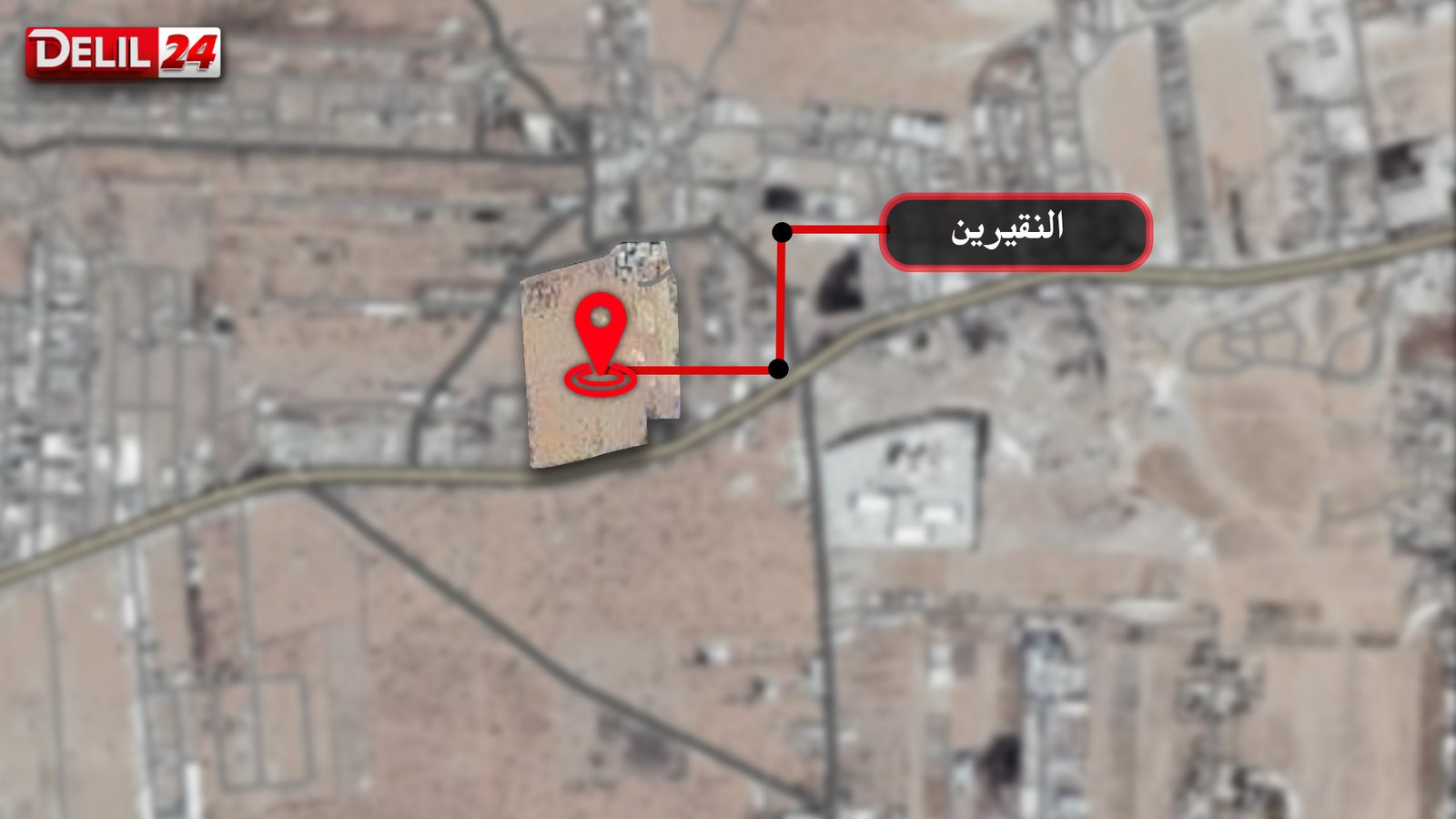
    Reports have emerged of a mass grave containing more than 270 bodies in al-Naqqireen, near the city of Aleppo. The bodies are believed to belong to victims of the Hay’at Tahrir al-Sham attacks that targeted the Sheikh Maqsoud and Ashrafiyeh neighborhoods on January 6.

    According to a report by Derviş Cimen in the newspaper Yeni Özgür Politika, information continues to surface regarding citizens who were abducted, disappeared, and killed following the attacks on Sheikh Maqsoud and Ashrafiyeh in Aleppo on January 6. A mass grave containing 270 bodies was discovered in al-Naqqireen, east of Aleppo, along the international M4 highway. The site lies approximately 10 kilometers from Ashrafiyeh, indicating that the majority of the bodies likely belong to civilians killed during the attacks.

    As a result of the assaults carried out by armed groups affiliated with the Damascus Interim Government and Turkey between January 6 and 29, tens of thousands of Kurds were displaced from their homes, hundreds were killed, and many others were abducted. Despite the agreement reached with the Syrian Democratic Forces (SDF), the fate of the missing, abducted, and dead remains unclear. Local sources indicate that uncertainty continues to surround those who were abducted and forcibly disappeared.

    According to the reports, Franziska Stier, a member of parliament for the canton of Basel and part of the international delegation that visited Rojava, raised the issue of the missing Kurds. Nisrin Suleiman, director of the Association of Afrin Displaced Persons, explained that there is no information about nearly 3,000 people, and that their whereabouts and fate remain unknown. She stressed that the issue of the missing has continued to worsen ever since the occupation of Afrin in 2018.

    SDF Commander Mazloum Abdi had previously stated that the number of detainees held by the Damascus Interim Government, including civilians, had reached 1,070 people. Under the agreement between the SDF and the Damascus Interim Government, 300 detainees were released on March 19, yet local sources report that a large proportion of those released had no connection to the recent attacks.

    Nisrin Suleiman stated that the attacks which began on January 6 were carried out by groups affiliated with Turkey and the Syrian Interim Government forces. She said:

    “The attacks continued for eight days. During this period, communication lines were cut, civilians were isolated from the outside world, and many were forced to leave their neighborhoods at night. Some were abducted or taken hostage at checkpoints established along the roads.”

    Nisrin Suleiman also pointed out that as the SDF withdrew from certain areas, armed groups targeted civilians. She said that numerous killings, abductions, and massacres occurred during this operation. She further noted that due to the presence of various armed factions in Raqqa and Deir ez-Zor, they were unable to obtain accurate information about the missing and the dead.

    It was also reported that the release of hostages and the return of displaced people were discussed in meetings held between Mahmoud Khalil, Deputy Commander of the Internal Security Forces in al-Hasakah, and Ahmed al-Sharaa. A committee was also formed to follow up on the situation. However, the area remains shrouded in uncertainty, and there is still no clear information regarding the missing persons.

    Nisrin Suleiman further stated that the exchange of detainees is still ongoing, but that there are certain problems, particularly concerning the release of women. She emphasized the need to treat the issue of the missing separately from the prisoner exchange process. She explained that one of the biggest challenges lies in not knowing whether the abducted individuals are alive or dead.

    She also stressed the necessity of forming an independent delegation that includes representatives from institutions such as the United Nations and the European Union to investigate the area. She called for an inquiry into the situation of the Kurds who were abducted and killed, and affirmed that all forms of support would be provided if international mechanisms were activated.

    Information published in the reports further indicated the discovery of a mass grave containing 270 bodies in a canal in the al-Naqqireen area, based on eyewitness testimonies. Nisrin Suleiman stated that some armed groups had demanded ransom payments from the families of abductees and attempted to hand over their bodies in exchange for money. She explained that due to the security conditions, it has not been possible to conduct a direct investigation in the area, but the incoming information is extremely serious.

    The location of al-Naqqireen significantly increases the likelihood that the bodies belong to those who were abducted from Ashrafiyeh and Sheikh Maqsoud and buried there. Local sources also indicate that the actual number of bodies in the mass grave may be higher than what has been officially announced.
  • A child was killed and four members of his family were injured in a landmine explosion in the Homs desert.

    A child was killed and four members of his family were injured in a landmine explosion in the Homs desert.

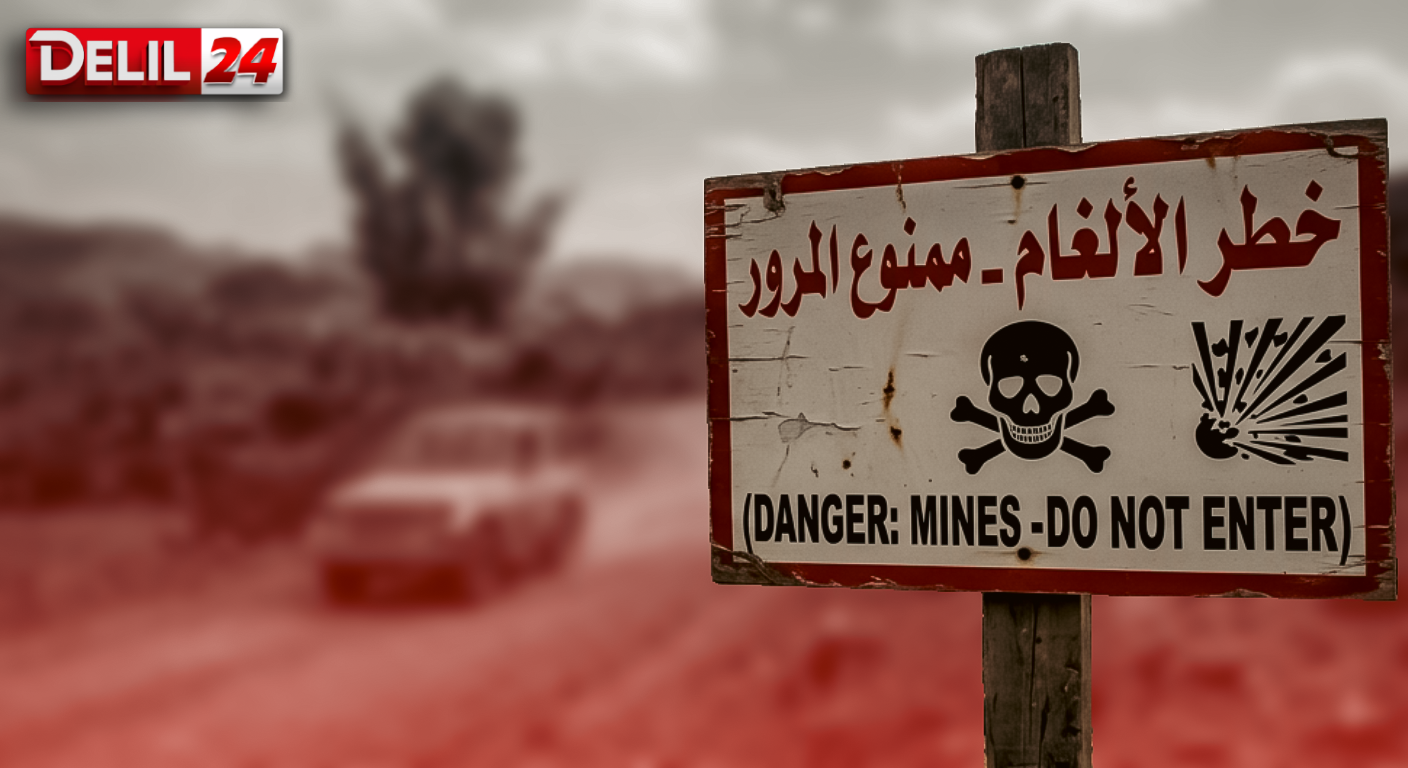
    A child was killed and four members of his family were injured yesterday after a landmine exploded while their vehicle was passing through the Qatqet area in the al-Sukhnah desert, east of Homs province. The mine reportedly detonated suddenly as the family was traveling, resulting in the child’s death at the scene, while the others sustained varying injuries and were transferred to a nearby medical point for treatment.

    This incident comes amid the ongoing danger posed by landmines and remnants of war in the Syrian desert, where such explosions recur on an almost regular basis, claiming civilian victims, including children, amid the weakness of efforts to remove these remnants.

  • Amid the Silence of the Damascus Government, Settlers in Afrin Continue Cutting Trees

    Amid the Silence of the Damascus Government, Settlers in Afrin Continue Cutting Trees

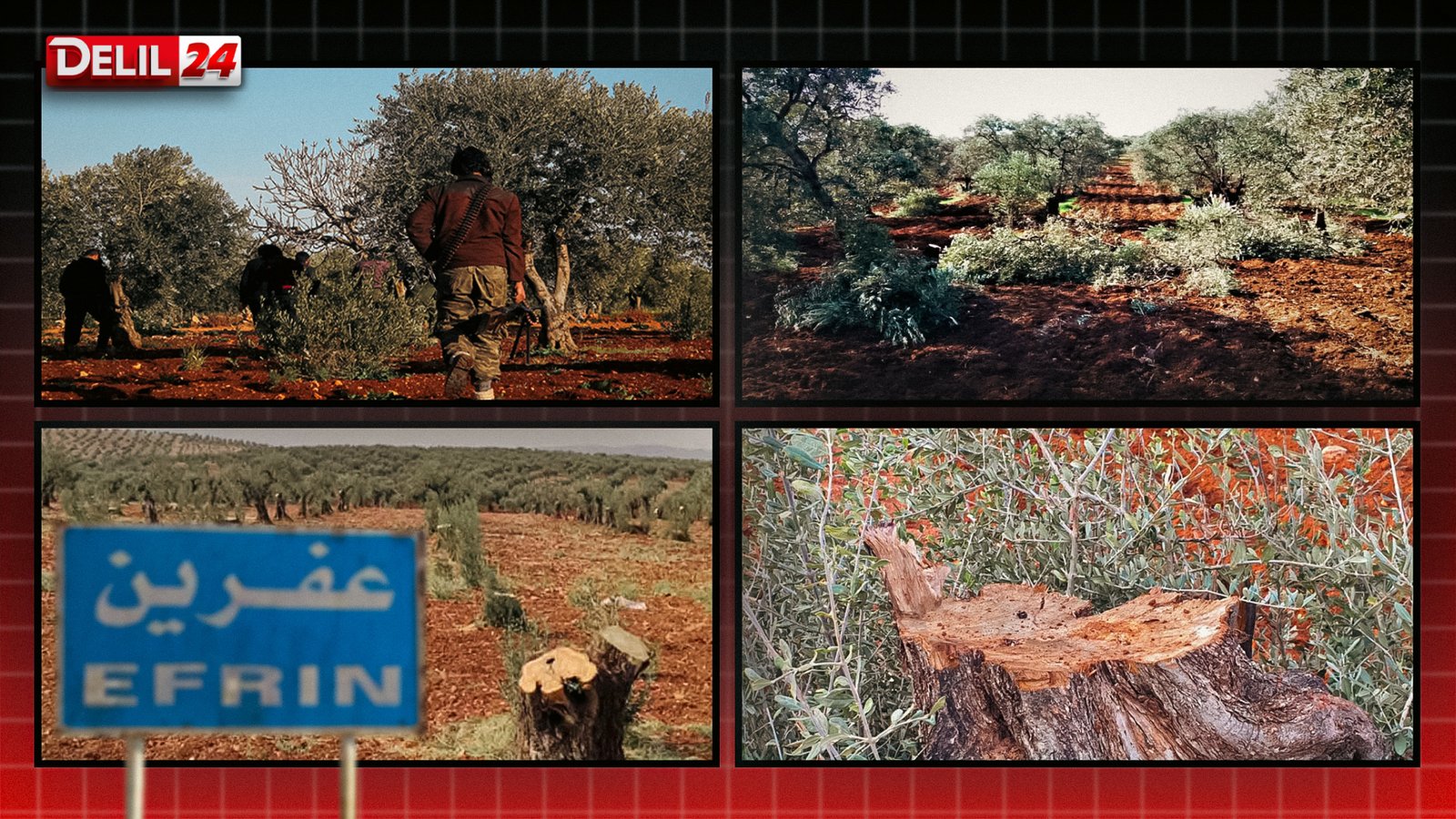
    Local sources, citing the Syrian Observatory for Human Rights, reported that tree-cutting operations are still ongoing in Al-Khalidiya forest near the village of Trinda in the Afrin countryside.

    They explained that groups residing in the neighboring “Kuwait Al-Rahma” camp are cutting down what remains of the trees in the area.

    The Observatory pointed to the absence of any serious action by the relevant authorities to stop these violations, which is worsening the degradation of the vegetation cover and threatening the remaining forested areas with disappearance.

    The Afrin region has already witnessed widespread environmental damage due to excessive tree cutting, as these operations are carried out by settlers and factions affiliated with the Turkey-backed Syrian Interim Government, with the aim of making financial profits through the sale of firewood in local markets for heating purposes.

  • Statement Issued by the Amuda District Council

    Statement Issued by the Amuda District Council

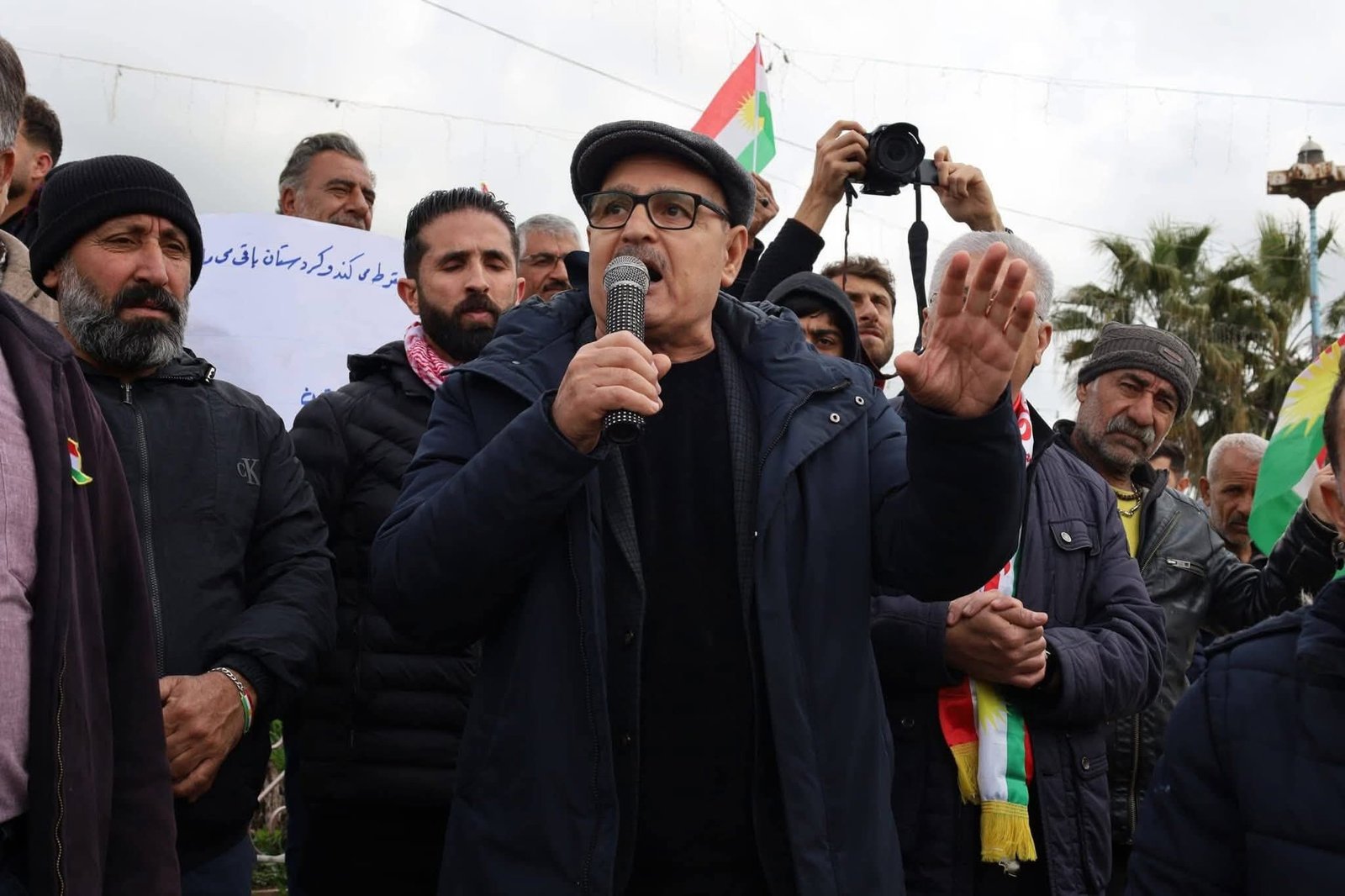
    The Amuda District Council condemned, on Monday, the recent attacks that targeted the Kurdistan Region of Iraq, during a statement delivered to the public at a vigil held at the Free Woman Roundabout in the city.

    The council affirmed that targeting residential areas and civilians is “a condemned act of terrorism that cannot be justified under any political or military pretext,” stressing its absolute rejection of any attack on civilians and describing it as “a flagrant violation of humanitarian values and international norms.”

    The council also expressed its full solidarity with the people of the Kurdistan Region of Iraq in confronting the threats to its security and stability, emphasizing the necessity of protecting security and stability in the region from any attempts that threaten public safety.