Syrian Ministry of Justice Issues New Guidelines on Restoring Lost or Damaged Records and Documents
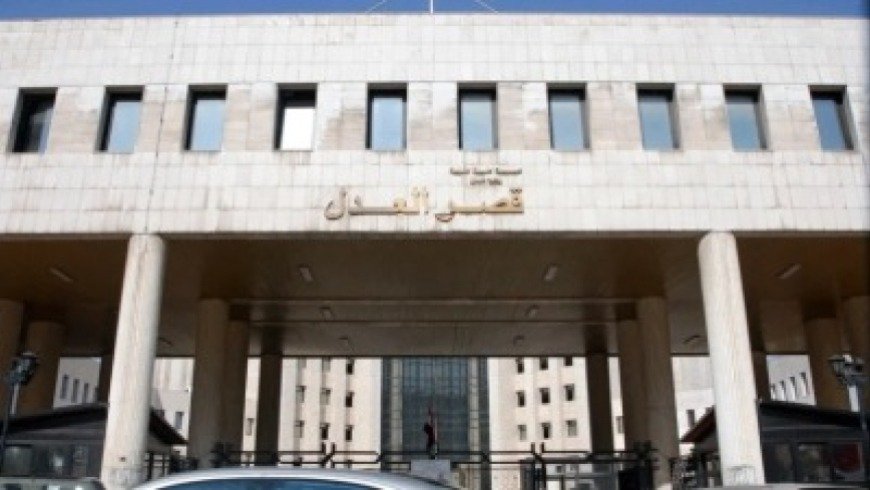
The Syrian Ministry of Justice in the Transitional Government issued on Thursday a circular to heads of judicial departments across the provinces, outlining the procedures for restoring records of public notary offices that were burned, lost, or damaged — including originals of contracts, documents, and private powers of attorney — pending the issuance of an official legislative decree on the matter.
According to the circular, published on the ministry’s official channels, any request for deposit, restoration, or registration must be supported by a certified true copy of the missing or original document. In cases where no original or certified copy exists, the request is to be referred to the competent court to determine the claimed rights in accordance with legal procedures.
The circular further stipulates that if one of the parties possesses a certified original copy or a first copy identical to the original — and its appearance raises no doubts — the holder may request its deposit and registration at the notary office that had previously authenticated the document.
Additionally, the directive requires that all other parties to the document be notified of the restoration request and accompanying papers, granting them 30 days to express their position or file an objection, at the applicant’s expense. If the parties consent or do not object within the specified period, the notary public shall refer the matter to the chief civil judge supervising notarial work to review the request, verify the authenticity of the documents, signatures, and official seal, and issue a decision either approving or rejecting the request. The papers are then returned to the notary office in accordance with the judge’s ruling.
The Ministry clarified all the details of the circular through its Telegram channel and official Facebook page, emphasizing that these measures aim to regulate the restoration of records and safeguard citizens’ legal rights.