Syrian Activists: Marginalization of Women from Various Communities Is a Longstanding Policy
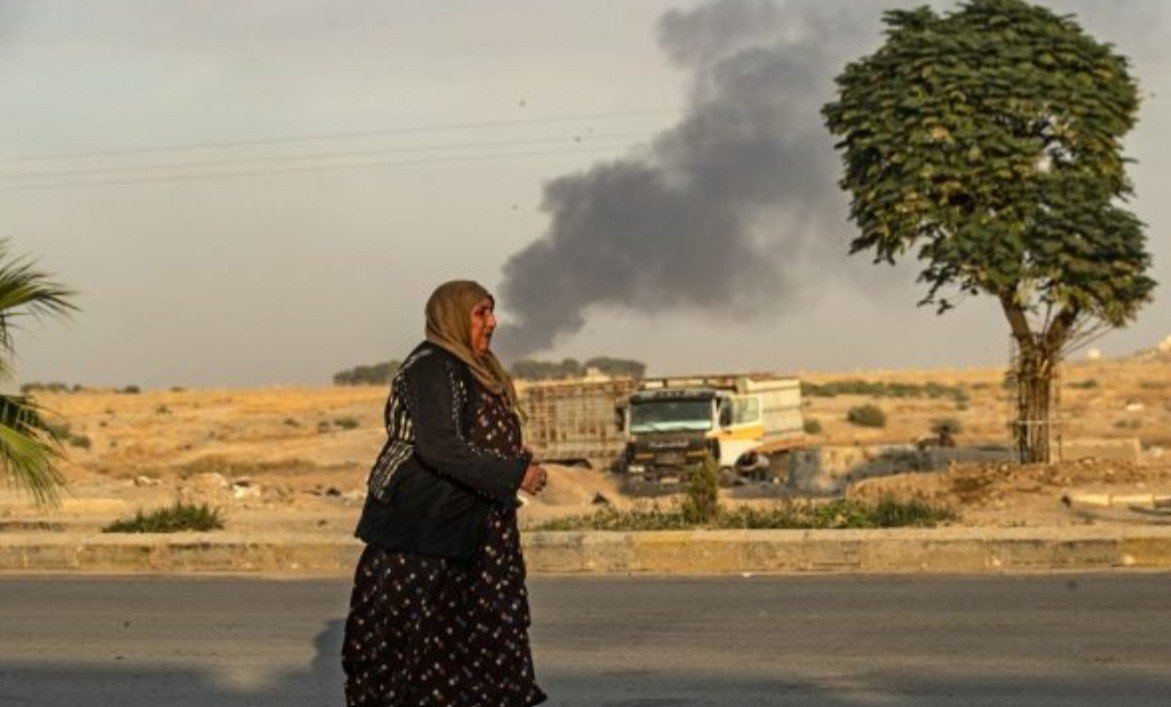
Syrian activists stated that women in Syria have suffered from marginalization and exclusion throughout successive regimes, affirming that they began reclaiming their role since the outbreak of events in the country in 2011, through participation in civil and military institutions, particularly in northern and eastern Syria.
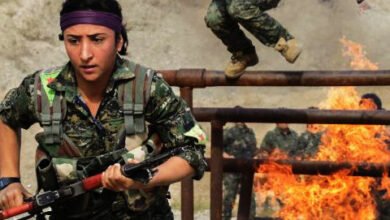
Amina Omar, from the Women’s Council in North and East Syria, pointed out that women in the region saw the events of 2011 as an opportunity for liberation and political and social participation. She explained that since 2015, they have organized themselves within institutions, movements, and military units, and succeeded in drafting laws that prohibit forced marriage, polygamy, and child marriage.
She added that women participated in preparing the social contract of the Autonomous Administration, which stipulated gender equality and a co-presidency system in institutions. She considered the women’s experience in North and East Syria a unique model for protecting women’s rights and enhancing their presence in decision-making positions.
On the other hand, Amina warned that a return to repressive policies or the imposition of religious restrictions in some areas controlled by armed groups may threaten the gains women have achieved in recent years.
For her part, an activist from the Syrian coast, who requested to remain anonymous for security reasons, said that Alawite women faced “sectarian-based targeting,” noting that they are working on organizing themselves to defend their rights and resist exclusion. She affirmed that the Kurdish feminist experience has proven that it is possible to build institutions that protect women in the absence of the state from fulfilling this role.
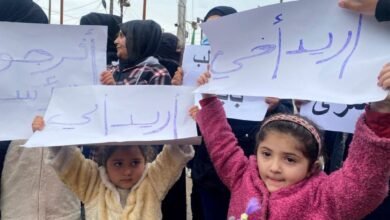
Activists believe that the marginalization of various communities and sects, including women, has been an old political approach in Syria, but it has become one of the reasons behind the current protests demanding equality and justice.
Amina Omar affirmed that political decentralization and a democratic constitution represent the true guarantee for women’s rights, adding that Syrian women will continue their struggle for freedom and active participation in rebuilding the country after the conflict.