Special Report: The Implications of Turkish and Russian Influence in Syria as Revealed by Al-Sheibani
On Saturday, October 18, Asaad Hassan Al-Sheibani, Syrian Minister of Foreign Affairs and Expatriates in the Syrian Interim Government, announced that Syria is conducting negotiations with Russia regarding Russian military bases in the country and is seeking to reach a security agreement with Israel that respects its security concerns, without conceding any inch of Syrian territory. During the Moscow meeting, both Syrian and Russian sides discussed all issues, including the fate of former President Bashar al-Assad and fleeing former Syrian army officers, as well as future relations and prospects for cooperation if contentious points are resolved.
Regarding Israel, Al-Sheibani clarified that Syria’s goal is to reach a security agreement that respects its sovereignty while taking Israeli security concerns into account, emphasizing Syria’s commitment to the withdrawal of Israeli forces before December 8, and working to ease tensions in a way that supports reconstruction and stability.
Concerning the Syrian Democratic Forces, Al-Sheibani pointed out that their absence from state institutions deepens the division, calling for urgent cooperation with them to ensure national unity and end the suffering of civilians. He also stated that northern and eastern Syria have a historic opportunity to be an active part of the current phase, warning that failure to reach an agreement with the forces obstructs the interests of civilians and the return of displaced persons, emphasizing that cooperation is necessary according to the March 10 agreement, while rejecting any form of division or federalism.
Regarding Suwayda Governorate, Al-Sheibani described the recent events as a “Syrian wound,” stressing that the government did not choose this situation and that a specialized committee is investigating the circumstances, while calling on elites and religious scholars to work toward overcoming the issue and addressing it from a national perspective, despite it turning into an international matter.
On the relationship with Lebanon, Al-Sheibani emphasized that the Syrian refugee issue has exerted dual pressure on both Syria and Lebanon, affirming the government’s commitment to ensuring a dignified return of refugees, in addition to monitoring matters concerning Syrian detainees within the procedural framework of the Interim Government.
Regarding the relationship with Russia, Al-Sheibani pointed out that Russia was a partner of the previous regime in the Syrian tragedy, and that previous agreements remain pending with no new agreements reached between the two sides.
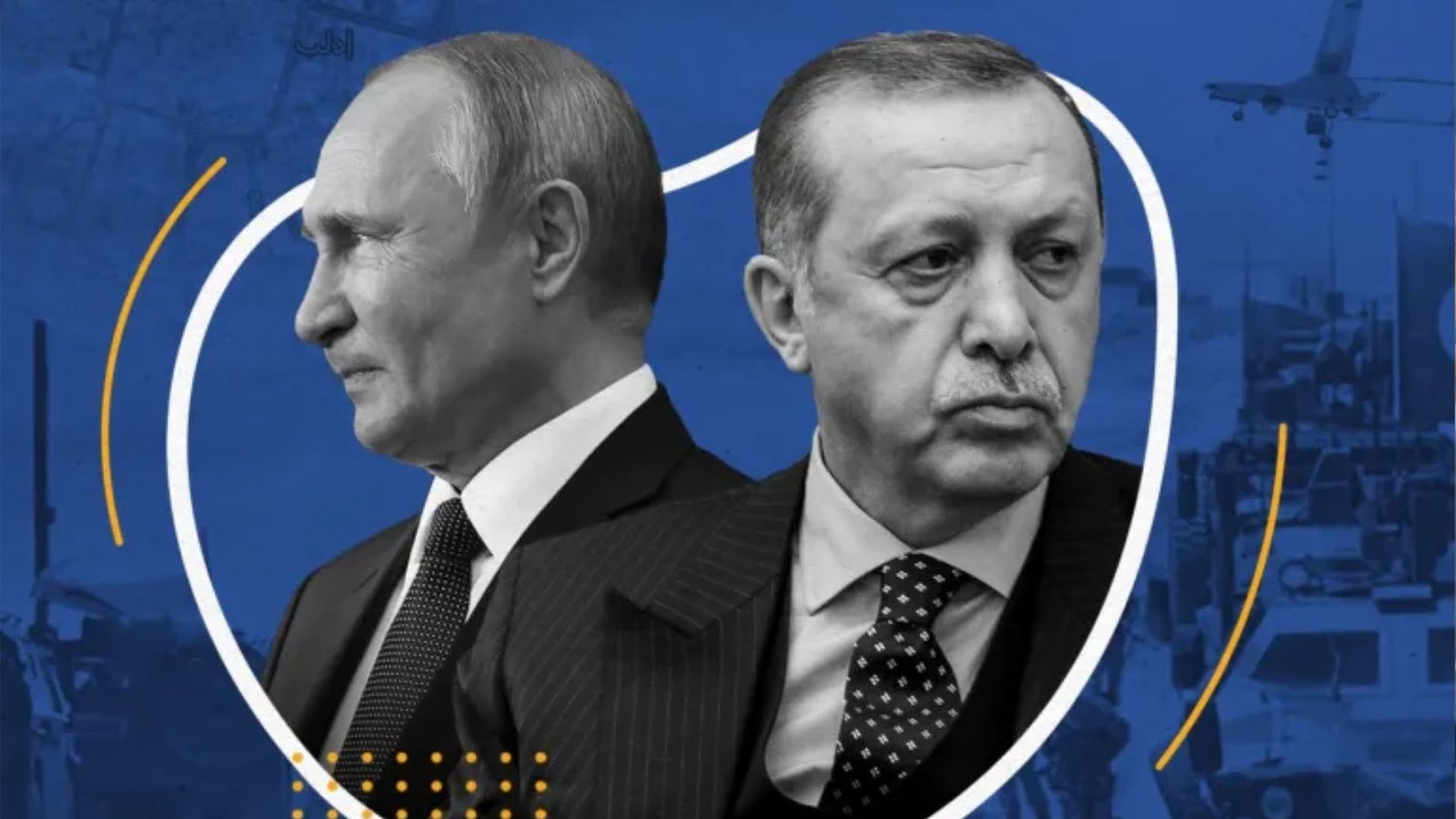
From an analytical perspective, Al-Sheibani’s statements reflect his opposition to Ahmad Al-Shar’ah’s positions during his visit to Moscow and his meeting with Putin, particularly regarding the protection of Russian military bases and previous agreements and investments under the former regime. The data indicates that Turkey’s influence over the Syrian Interim Government led by Ahmad Al-Shar’ah goes beyond mere directives, reaching the level of practical decisions to limit the expansion of Russian influence in the country, in the context of Turkish President Recep Tayyip Erdoğan’s promise to U.S. President Donald Trump to stop buying Russian oil and replace it with American oil. These dynamics suggest the potential deepening of conflict between Turkey and Russia, which could turn Syrian territory into a theater for escalating mutual influence.