Political activist: Lack of safe-return conditions hinders the return of Afrin’s displaced
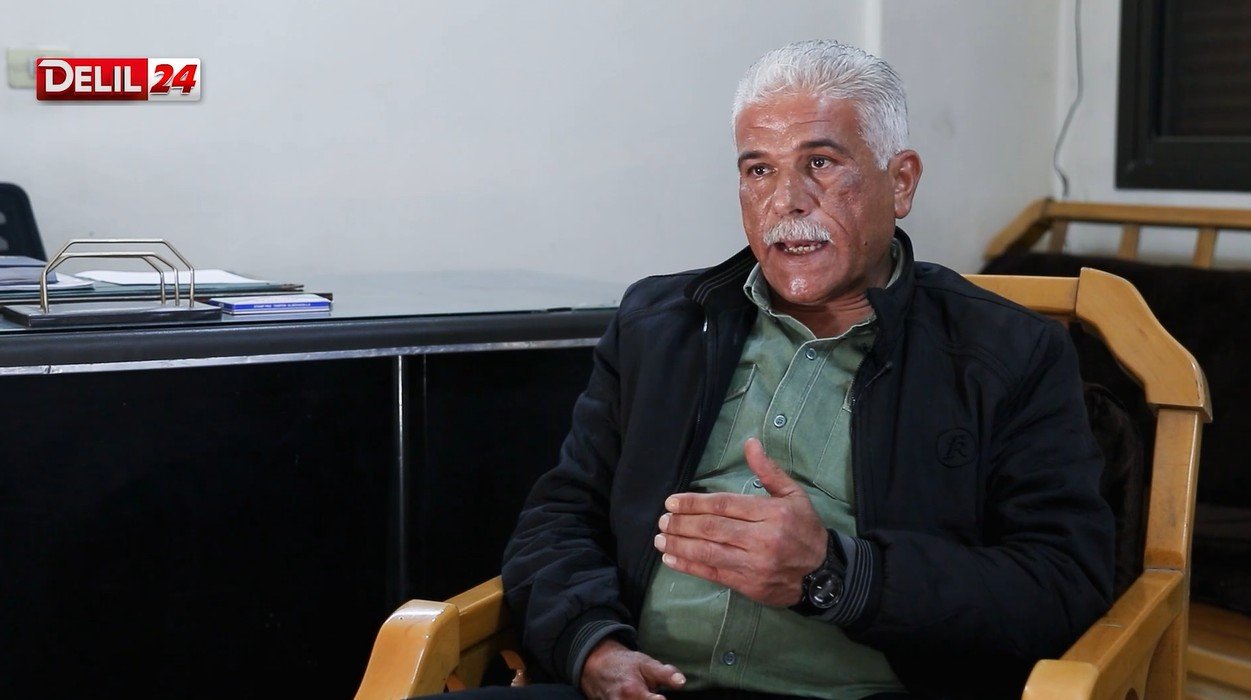
Political and human rights activist Jabrael Mustafa said that the forced return of Afrin’s displaced people to their region remains one of the complex files, despite the political developments following the fall of the Ba’ath regime on December 8, 2024. He explained that this issue represents a challenge for both the Syrian Transitional Government and the Autonomous Administration.
Mustafa pointed out that human rights reports have documented serious violations committed against the residents of Afrin over the past years, with accusations directed at several armed factions. He stressed that the continued presence of these factions, in addition to the ongoing Turkish security influence, prevents the fulfillment of the conditions for a “safe return” according to international standards.
He added that some of the residents who returned from the Shahba region have not yet been able to reclaim their properties, emphasizing the need for clear legal measures to guarantee their rights. Among these is the commitment to implementing the terms of the March 10 Agreement signed between the Transitional Government and the military leadership of the Syrian Democratic Forces, which stipulates the return of all displaced persons and refugees.
Mustafa considered the implementation of the agreement a fundamental step toward building a new Syrian system based on democracy, pluralism, and decentralization. However, he said that the Transitional Government “has not shown seriousness” in enforcing its provisions or in addressing the armed factions controlling Afrin.
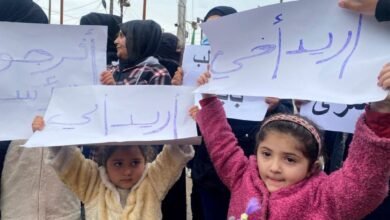
He noted that Afrin’s displaced population has endured long years of forced displacement and deteriorating living conditions, while those who have returned face challenges linked to past violations such as property confiscation.
Mustafa stressed the need to provide constitutional and legal protection for the displaced in Afrin, Serekaniye, Gri Spi, and Shahba, as well as the removal of armed factions from these areas as a transitional step to ensure security and stability.
He warned that the individual return of displaced persons may expose them to danger and reinforce the existing realities on the ground, noting that actual control in Afrin remains in the hands of Turkish security authorities.
He argued that the continued prevention of Kurdish residents from returning to their areas is due to the lack of international and regional political agreements regarding the Syrian file, pointing out that the fate of disputed areas—including Afrin, Serekaniye, and Gri Spi—remains tied to unresolved political understandings.