New Crisis Between Turkey and Israel After Arrest Warrants Issued Against Netanyahu
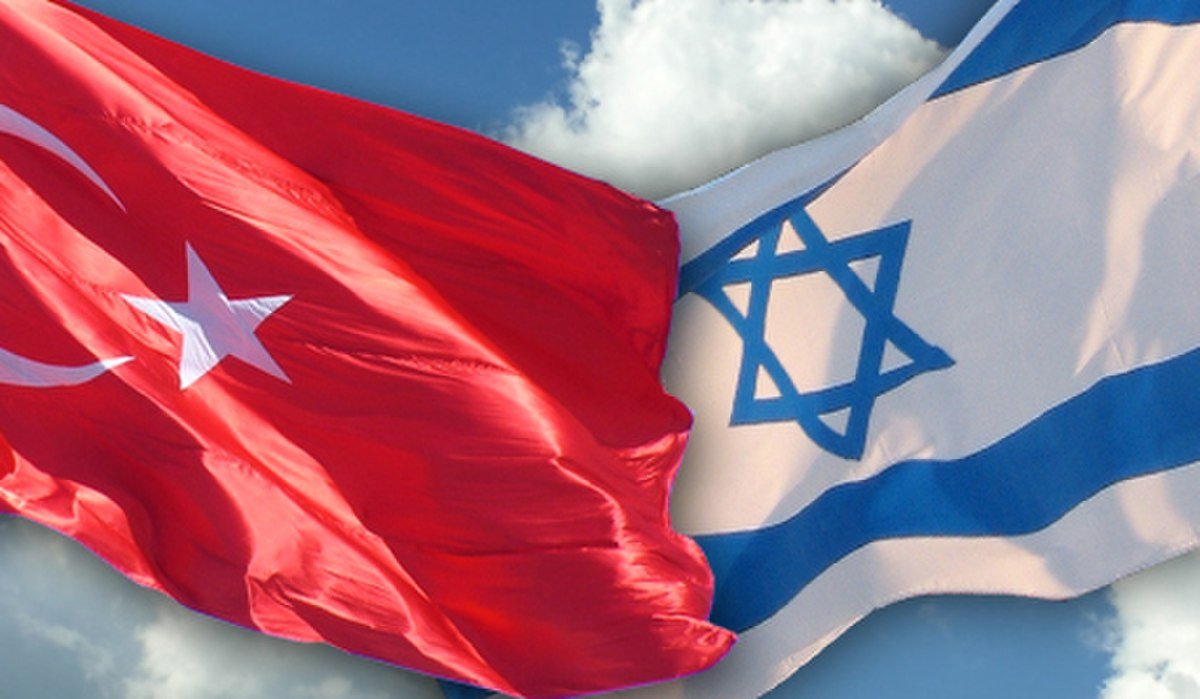
Tensions have escalated between Turkey and Israel after a criminal court in Istanbul issued arrest warrants for Israeli Prime Minister Benjamin Netanyahu and several Israeli officials, a move that sparked sharp reactions from Israel and accusations against the Turkish leadership.
Ankara stated that the warrants, which included 37 names — among them Netanyahu, Defense Minister Yisrael Katz, and National Security Minister Itamar Ben-Gvir — are related to accusations of genocide and crimes against humanity committed during operations in the Gaza Strip. The Turkish Public Prosecutor’s Office affirmed that the evidence indicates “significant civilian casualties and the destruction of residential neighborhoods” as a result of the Israeli campaign.
Israel responded angrily, describing the Turkish judicial decision as a purely political maneuver. Israeli Foreign Minister Gideon Sa’ar issued a statement on the “X” platform, calling the Turkish move “a propaganda show” and accusing President Recep Tayyip Erdoğan of political manipulation, using scathing language to describe the stance.
Israeli political forces also expressed concern. The leader of the “Yisrael Beiteinu” party, Avigdor Lieberman, said the Turkish step shows that Ankara is unqualified to take part in any future arrangements concerning the Gaza Strip, warning against granting it any role in facilitating a military or security presence in the area.
For his part, Netanyahu reiterated his government’s rejection of any Turkish participation in the proposed international force for Gaza, declaring that “no Turkish forces or any hostile entity will be allowed to enter the Strip,” stressing the need to avoid any measures that would “repeat past mistakes that gave Israel’s adversaries a strategic foothold.”
The developments reflect signs of a potential deterioration in communication channels between Ankara and Tel Aviv, which could lead to the freezing of diplomatic relations or the reduction of security cooperation. Meanwhile, several international actors are attempting to contain the escalation and prevent the dispute from turning into a wider confrontation in the region.