Man Suspected of Collaborating with Former Regime Killed by Unknown Gunmen in Aleppo’s Al-Sukkari District
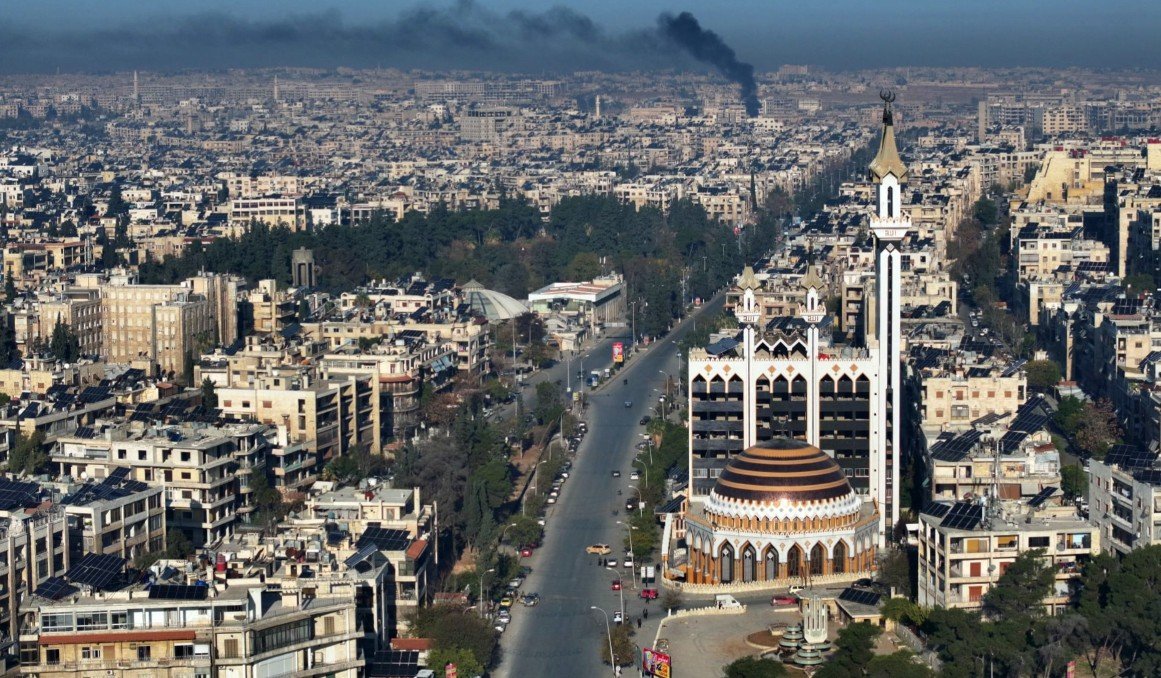
A man suspected of having collaborated with forces of the former Syrian regime was shot dead on Friday by unidentified gunmen in the Al-Sukkari neighborhood of Aleppo, according to human rights sources.
Sources from the Syrian Observatory for Human Rights reported that the victim was originally from Deir Jamal in northern Aleppo countryside and had previously worked with the former regime’s forces. The sources suggested that the motive behind the killing was likely linked to his past security affiliations.
This incident comes amid a growing wave of assassinations and targeted killings recorded since the beginning of 2025, some of which are believed to have sectarian or retaliatory motives.
According to the Observatory’s statistics, the number of victims of such acts since the start of the year has reached 1,127 people, including 1,064 men, 40 women, and 22 children, distributed across several Syrian provinces as follows:
•Damascus: 50 victims (49 men, 1 woman), including 26 due to sectarian affiliation.
•Rif Dimashq (Rural Damascus): 103 victims (100 men, 3 women), 24 due to sectarian affiliation.
•Homs: 363 victims (332 men, 21 women, 10 children), 234 due to sectarian affiliation.
•Hama: 238 victims (227 men, 7 women, 4 children), 147 due to sectarian affiliation.
•Latakia: 103 victims (93 men, 4 women, 6 children), 79 due to sectarian affiliation.
•Aleppo: 102 victims (all men), 5 due to sectarian affiliation.
•Tartus: 75 victims (73 men, 1 woman, 1 child), 58 due to sectarian affiliation.
•Idlib: 26 victims (24 men, 2 women), 3 due to sectarian affiliation.
•As-Suwayda: 6 victims (all men), 4 due to sectarian affiliation.
•Daraa: 52 victims (50 men, 1 woman, 1 child), 2 due to sectarian affiliation.
•Deir ez-Zor: 9 victims (all men).
This surge in killings reflects the ongoing security instability and deep societal divisions that continue to afflict the country, despite ongoing efforts to consolidate stability and rebuild state institutions.