Jordan and the drug trade… between mutual accusations and conflicting narratives
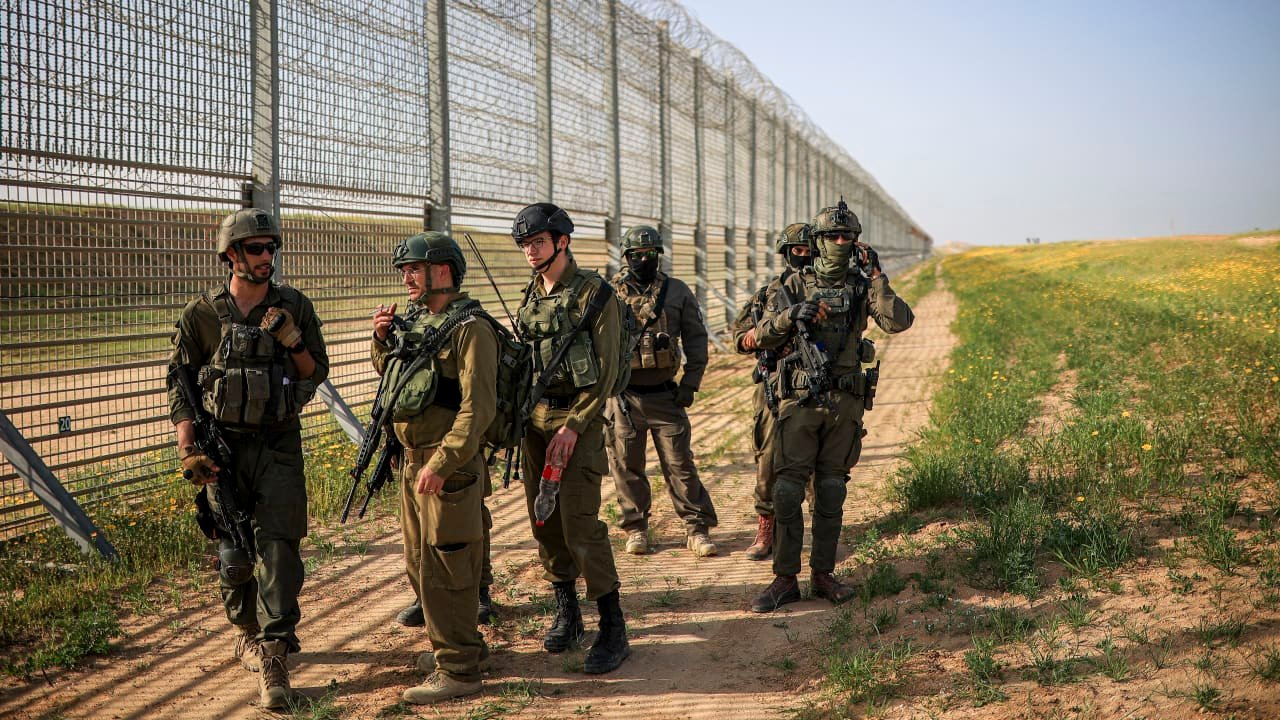
In recent days, discussions have intensified regarding Jordanian concerns over drug smuggling across the Syrian border, amid mutual accusations between Amman and sources in Sweida. This comes despite repeated assurances from local dignitaries and groups in Sweida that smuggling-related activities do not occur within the province’s administrative boundaries, and that the actual tunnels and routes are located in the desert areas outside their control.
Three bodies on the border… and the start of a new wave of accusations
Recently, Jordan handed over to the Syrian side the bodies of three Bedouin men who were killed while attempting to transport drugs across the border, according to local sources. Meanwhile, Arab media continue attributing part of the smuggling activity to Sweida, despite the absence of direct evidence — something that local community actors in the province continue to deny.
On the other hand, Syrian activists raise accusations about the role of influential tribal figures in southern Syria and Jordan, generating wide contradictions in the narratives of various parties regarding the true identity of the active smuggling networks.
Reports link Jordan to smuggling networks operating through the Syrian desert
Several journalistic reports — including a 2019 publication by Zaman Al-Wasl — point to the involvement of networks operating along the Syrian desert and the Lajat area north of Daraa. These networks consist of Bedouin groups connected to Syrian intermediaries. The name Rakan al-Khudeir, leader of the “Ahrar Tribes of the South Gathering,” has been frequently mentioned as one of the most prominent figures implicated in accusations both in Syria and Jordan.
In 2019, the “Martyr Ahmad al-Abdo Forces,” an opposition faction near the al-Tanf area, announced the capture of Ghannam al-Khudeir (Abu Hamza Ashayer). Its spokesperson, Saeed Seif, stated that al-Khudeir was one of the major drug traffickers working for Hezbollah in the desert, and that he had been involved with the “Tribal Army” led by his relative Rakan al-Khudeir. The spokesperson added that al-Khudeir was later handed over to Jordanian authorities, and that the al-Tanf area had turned — in his words — into “a hub of corruption and drug trafficking.”
According to the same source, the networks included other individuals such as Faisal al-Qatran from al-Sukhna and Ayham Marjan from Flita, who were said to have cooperated with groups linked to Hezbollah to transport drugs toward the Damascus countryside and then to the Jordanian border.
Lebanese reports: The largest drug shipment in the country’s history… and al-Khudeir’s name resurfaces
On May 17, 2025, Beirut International published a report on the largest drug shipment ever seized in Lebanon, noting that investigations uncovered connections between Hezbollah and the “Maghawir al-Thawra Army” in the al-Tanf area. The report stated that the name of Ghannam al-Khudeir had resurfaced as the overseer of the border zone known as the “55-km area,” and as an individual accused of facilitating crossings toward the Syrian–Jordanian border before fleeing to Jordan.
The site reported that Ghannam al-Khudeir had joined “Maghawir al-Thawra” in 2018 under the leadership of his cousin Rakan al-Khudeir, who had administered the “Tribal Army” in the Lajat area for years without engaging in direct clashes with regime forces, instead focusing on controlling and securing border routes. After regime forces retook Daraa in 2018, several of these factions became integrated into formations linked to Hezbollah and Iran, according to the report.
Despite the regime’s fall… smuggling activity does not decline
Following military and political changes in Syria, drug-smuggling operations — according to media sources — have not decreased, despite seven smuggling attempts reportedly thwarted through cooperation between Jordan and the new Syrian authorities. Nonetheless, claims persist that Jordan remains part of the smuggling dynamics, especially amid rising accusations against Rakan al-Khudeir — who resides in Jordan and speaks on behalf of the “South Tribes Gathering” — of involvement in smuggling Captagon to Gulf countries.
Syrian activists argue that the Jordanian airstrikes that targeted sites in rural Sweida in 2023 — under the pretext of hitting drug warehouses — resulted in civilian casualties, including a child, without proof that the bombed sites contained drug storage facilities.
Ramtha protests… local traders speak out
The Jordanian city of Ramtha witnessed large protests by local traders known as “Bahhara” (cross-border goods transporters from Syria to Jordan) after government decisions restricted their activity under the justification of combating smuggling. The “Ramtha Transporters’ Coordinating Committee” issued a statement accusing the government of targeting small workers instead of the “big players,” specifically naming Rakan al-Khudeir — who resides in Mafraq province and reportedly holds Jordanian citizenship, and who is said to be close to King Abdullah’s advisor Saad Hayel al-Sourour.
The committee warned of “further escalation” and the disclosure of smuggling and corruption files, according to a report published by Al-Araby Al-Jadeed in 2019.
Mutual accusations… and Rakan al-Khudeir takes center stage
Amid the deteriorating security situation in Sweida and the recent massacres there, the name Rakan al-Khudeir has resurfaced as one of the coordinators with Jordanian authorities, tribal entities, and actors in Damascus. Opposition sources accuse Bedouin factions loyal to him of involvement in kidnappings, highway robberies, and online incitement campaigns against the people of Jabal al-Druze.
In a notable statement, Jordanian MP Saddah al-Habashneh said: “Rakan al-Khudeir is a dangerous individual with many victims, including Jordanian officers.” He called on the government to disclose the details of the case and investigate it, adding that “the Jordanian street is asking questions about this controversial figure.”