ISIS Sleeper Cells in Syria: A Renewed Threat in the Badia (Desert)
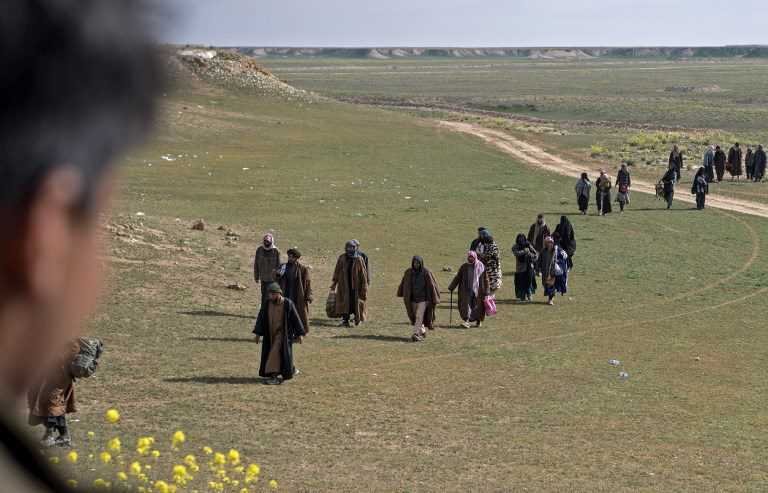
Despite its declared military defeat, ISIS continues to operate in Syria through its sleeper cells, according to recent studies by American research institutes. These cells are particularly concentrated in the vast Syrian Badia (desert region), taking advantage of the expansive terrain and the limited security presence in the area.
Analyses indicate that the group relies on a war of attrition strategy, including hit-and-run attacks on Syrian regime positions and Kurdish forces, as well as assassinations targeting local figures. These studies point out that such operations are not only meant to assert the group’s presence, but are also used as means to raise funds through extortion, theft, and the recruitment of new members from local populations.
This threat represents a major obstacle to regional stability, as it hampers security control efforts and limits the possibility of displaced residents returning to their areas. It also maintains a potential flashpoint that could escalate at any moment. Experts stress that monitoring these cells and countering their activities requires coordinated local and regional security efforts, in addition to supporting Badia communities to reduce the group’s influence in remote areas.