An Unprecedented Escalation: The War on Iran Enters a New Phase with Expanded Military Strikes
The ongoing war between Israel and the United States on one side and Iran on the other has entered a new stage of escalation, following the expansion of airstrikes to include military facilities and infrastructure inside Iranian territory, in a development that threatens to widen the scope of the conflict in the region.
Israeli Airstrikes Inside Iran
The Israeli army announced the execution of a new wave of airstrikes targeting military sites and infrastructure in various areas of Iran.
In a statement published on the platform “X”, the army explained that the strikes hit facilities linked to Iranian military capabilities, as part of ongoing operations aimed at reducing Tehran’s military capacity.
These strikes come days after a major escalation that began on February 28, with the launch of a joint U.S.-Israeli military attack on targets inside Iran.
Netanyahu: Near Control of Iranian Airspace
Israeli Prime Minister Benjamin Netanyahu said that Israel and the United States are close to achieving “complete control” over Iranian airspace.
In a televised speech, Netanyahu explained that the military operations are being conducted in full coordination with Washington and with the knowledge of U.S. President Donald Trump, noting that the goal of the operations is to confront what he described as the threat posed by Iran to the region and the world.
He added that the strikes resulted in the destruction of hundreds of ballistic missiles and their launch platforms, in addition to achieving significant air superiority over the Iranian capital, Tehran.
Targeting Oil Facilities
Israeli media reported that warplanes targeted oil storage depots and refining facilities in Tehran, in what was considered a new phase in the course of the war.
According to Israeli security sources, targeting these facilities aims to increase economic pressure on Iran and reduce its ability to manage its resources and provide basic needs.
Reports indicated that this is the first time oil facilities inside Iran have been targeted since the start of the large-scale military operations.
Iranian Missile Response Against Israel
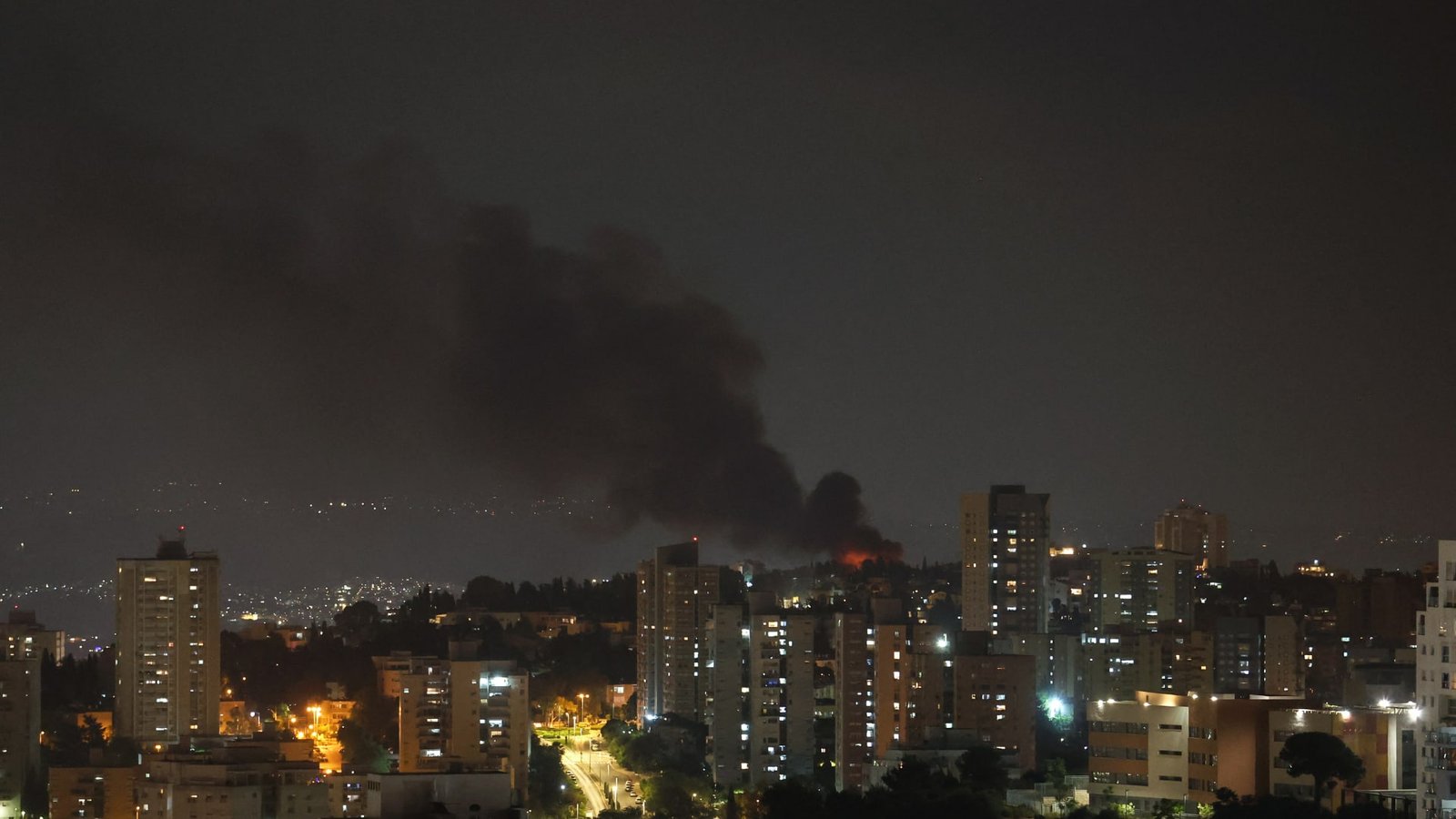
In response, Iran launched missiles toward Israel, which led to the activation of sirens across wide areas in the north of the country, including the city of Haifa.
The Israeli army said that air defense systems intercepted at least two waves of Iranian missiles, confirming that most of them were intercepted without major losses.
According to official data, the exchange of missile attacks since the outbreak of the war has resulted in the deaths of ten people inside Israel.
Expansion of the Confrontation in the Gulf
The repercussions of the war extended to several Gulf countries. Saudi Arabia announced that it intercepted and destroyed six Iranian drones east of the capital, Riyadh.
Qatar also confirmed that it had been subjected to an attack with 12 Iranian missiles, most of which were intercepted.
In Kuwait, authorities announced the interception of three ballistic missiles that had entered the country’s airspace.
In Bahrain, Iranian attacks targeted a facility near Salman Port, causing material damage and injuring one person.
The United Arab Emirates, for its part, announced that its air defenses confronted missiles and drones coming from Iran.
Discussion of Sending Special Forces to Secure Iranian Uranium
Media reports revealed that the United States and Israel discussed the possibility of sending special forces inside Iran at a later stage of the war in order to secure the stockpile of highly enriched uranium.
According to informed sources, the operation could include special forces elements alongside nuclear experts in order to take control of nuclear materials or reduce their level of enrichment.
U.S. President Donald Trump confirmed that the option of deploying ground forces remains on the table, but would only be used under specific circumstances.
International Calls to Stop the Escalation
On the international level, China called for an immediate halt to military operations and a return to the negotiating table, warning of the repercussions of the war on the global economy and energy security.
Chinese Foreign Minister Wang Yi said that the use of force is not a means to resolve crises, calling on all parties to respect the sovereignty of states and ensure the security of navigation in the Strait of Hormuz.