Continuation of violations and displacement in Sweida amid calls for accountability and protection of civilians
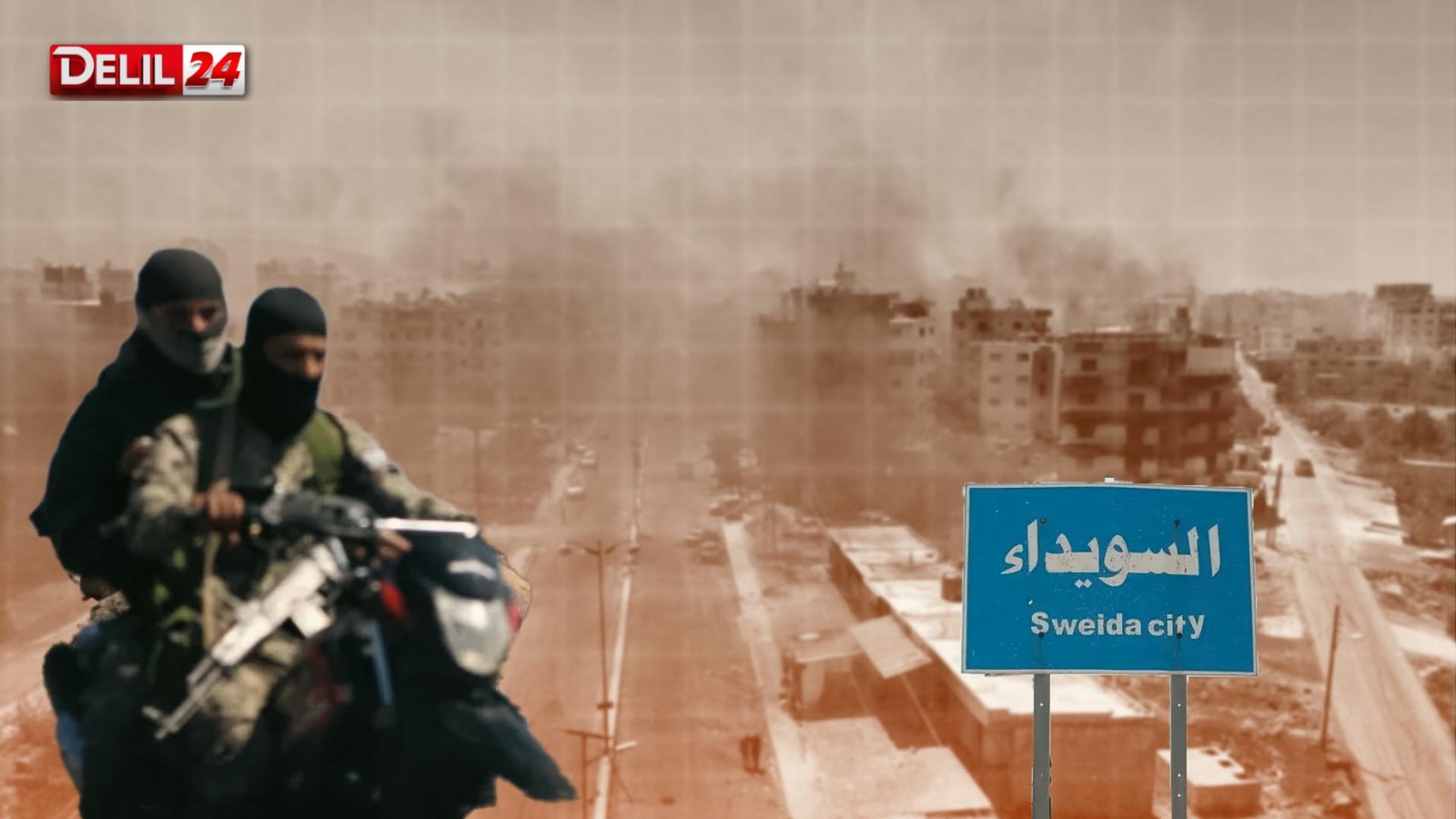
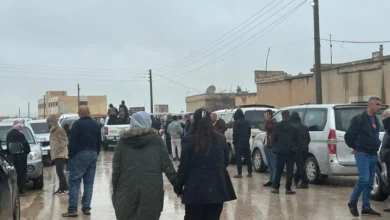
A recent report issued by the United Nations Independent International Commission of Inquiry on Syria revealed the continued occurrence of serious violations in Sweida Governorate in southern Syria, including cases of abduction and unlawful detention affecting hundreds of people, despite the later release of a large number of them.
According to the report, around 100 individuals from the Druze community and 120 from the Bedouins, in addition to 30 government employees and volunteers in the Syrian Civil Defense, remain missing. The fate of three Bedouin women, one girl, and three Druze women also remains unknown so far, while previous reports that spoke of large numbers of missing women have not been verified.
The report indicated that the violence took on a clearly gendered nature, as men and boys were specifically targeted, with reports of sexual assaults against women and girls, including cases of rape. Only a limited number of these incidents have been confirmed so far, while investigations are still ongoing to determine the scale of the violations.
On the ground, Sweida Governorate continues to witness sharp division, with political dialogue halted and clashes ongoing without changes in lines of control since 19 July. Reports related to acts of violence between Druze groups and the imposition of movement restrictions by local armed groups are also under investigation.
Regarding the humanitarian situation, the report stated that about 155,000 out of 200,000 people displaced during the events of July remain unable to return to their homes, most of them from affected Druze villages. The majority of the Bedouin population also remains forcibly displaced, with many living in inadequate conditions after eight months.
Other communities, including Christians and Sunnis from non-Bedouin groups, also indicated a continued state of fear and insecurity, amid concerns over a resurgence of violence.
Commissioner Monia Ammar confirmed in the report that the Syrian state bears the primary responsibility for ensuring the protection of the rights of all civilians, while also stressing that local armed groups bear obligations under international humanitarian law, including holding perpetrators of violations accountable, revealing the fate of the missing, and ensuring the return of displaced persons and the protection of their property.
The report also pointed to the escalation of hate speech and incitement to violence during the events, driven by the spread of misinformation and fabricated videos, including unverified claims regarding harm to children and fetuses, which contributed to deepening divisions and complicating reconciliation efforts.
The report called for intensified efforts to achieve accountability, the adoption of effective measures to prevent the recurrence of violations, and the promotion of community reconciliation, alongside combating hate speech, particularly online. It also urged the international community to support the government in implementing these recommendations and called on external parties to avoid any steps that could lead to further escalation and threaten the lives of civilians