Between Surrender and Massacre: The People of Sheikh Maqsoud and Ashrafieh Choose Resistance
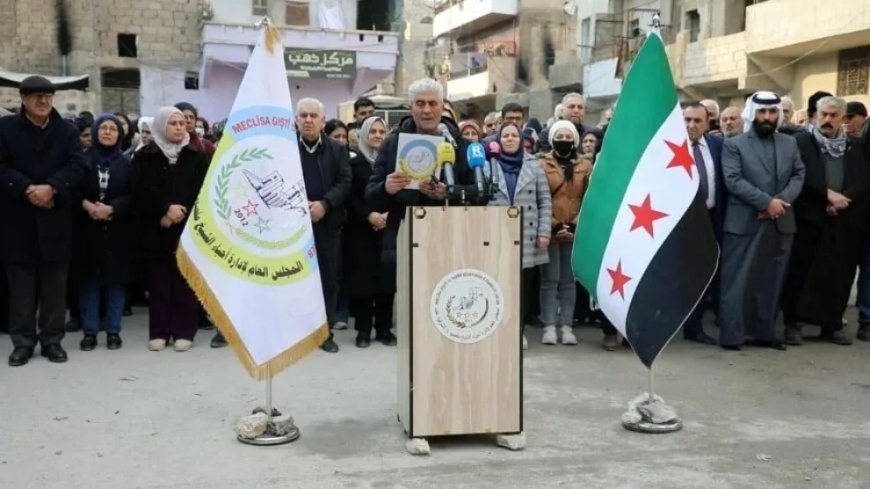
The Council of the Sheikh Maqsoud and Ashrafieh neighborhoods affirmed that what the besieged neighborhoods are being subjected to comes within the framework of attempts to impose surrender on residents and Internal Security Forces, commit massacres against civilians, and enforce a new wave of displacement, stressing that these policies will not push the population to abandon their neighborhoods and that they will continue to defend them.
This came in a written statement issued by the council today to public opinion, addressing the attacks that have been ongoing since January 6. The statement explained that the neighborhoods have been subjected to heavy shelling with heavy weapons, during which mosques, schools, hospitals, civilians’ homes, and service institutions were directly targeted.
The statement pointed out that residents and Internal Security Forces are showing continuous resistance in the face of these attacks, which, according to the council, aim to commit massacres against the original residents of the neighborhoods and launch a new wave of forced displacement, implying a clear demographic change, in addition to undermining and explicitly violating the April 1 agreement.
The council clarified that the attacks are being carried out by the interim government under the name of the “New Syrian Army,” with the support of the Turkish state and its affiliated mercenaries, expressing its strong condemnation of the silence of the international powers that were guarantors and observers of the March 10 and April 1 agreements.
The statement emphasized that the danger of massacres still exists in the Sheikh Maqsoud and Ashrafieh neighborhoods, and that the calls directed by the attacking forces to residents and Internal Security Forces are nothing but calls for surrender, which the population categorically rejects, reaffirming their determination to remain in their neighborhoods and defend them.
The council noted that the practices committed in the areas advanced into by the factions, including massacres against civilians, are being attempted to be repeated in Sheikh Maqsoud and Ashrafieh, amid the presence of hundreds of thousands of civilians in these neighborhoods. It explained that the heavy shelling resulted in dozens of injuries, most of them women and children, and also struck Khaled Fajr Hospital, which went completely out of service after being shelled. This led to the absence of the ability to treat the wounded within the neighborhoods and created a serious humanitarian crisis, exacerbated by the ongoing siege, the prevention of the entry of humanitarian needs, and the winter season conditions.
In conclusion, the Council of the Sheikh Maqsoud and Ashrafieh neighborhoods stressed its categorical rejection of the pressures imposed on the population, affirming its lack of trust in handing over the security of the neighborhoods to the interim government, in light of what it described as its policies and practices against the various components of Syria. The council announced its decision to remain in the neighborhoods and defend them, calling on residents to mobilize and head to Khaled Fajr Hospital to help treat the wounded and protect the neighborhoods.