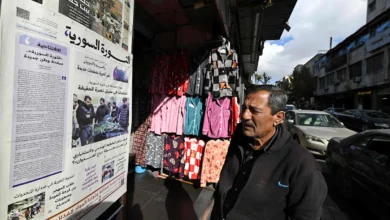
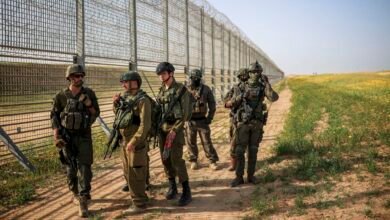
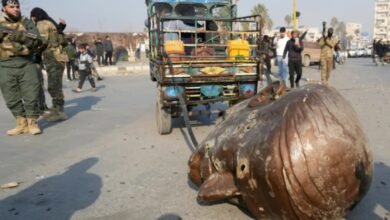
”Al-Sumariyah” Between Displacement and Tension… A Political File Revealing a Power Struggle in Damascus
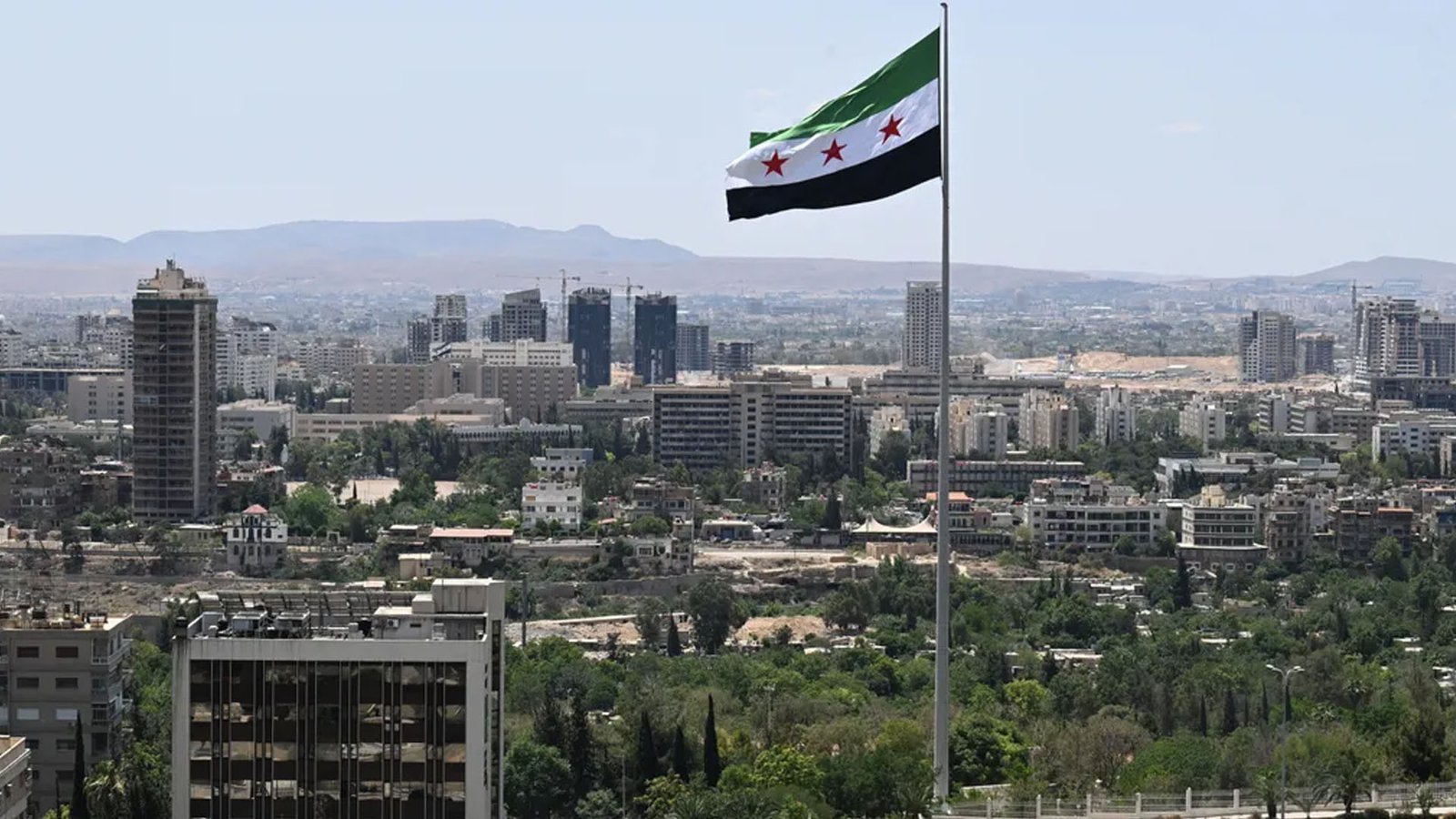
Al-Sumariyah neighborhood in western Damascus has witnessed a rapid escalation in recent days, highlighting delicate balances within the current Syrian scene, where factors of sectarian division and competition between armed factions intersect with the authorities’ attempts to contain tensions through “civil peace” mechanisms.
Raids and Direct Threats
According to local sources, armed men led by the so-called “Abu Hudhaifa” stormed the neighborhood and began looting the homes of several residents, most of whom belong to the Alawite sect. This was accompanied by threats of forced eviction and insulting slogans with political and sectarian tones. Notably, these developments occurred despite official statements and directives aimed at calming the situation, reflecting a gap between the state’s authority on paper and the reality of control on the ground.
Collusion or Official Incompetence?
The Accusations against the Damascus Governorate and its affiliated committees have escalated, following pressures exerted on the neighborhood headman and local figures to appear in the media and assert that “the situation is normal.” This move was described as an attempt to cover up violations and reproduce the previous regime’s style of crisis management through a media narrative that contradicts reality.
The Sectarian and Political Dimension
The events in Al-Sumariyah carry a sensitive dimension due to the nature of its residents, placing the authorities before a new test of their ability to protect social groups that have long formed a support base for them. The tensions also coincide with broader contexts of unrest in and around Damascus, raising concerns about the potential expansion of communal unrest.
An Open Scene
Despite official reassurances about the return of stability, field data confirms the continued presence of armed elements beyond control within the neighborhood, leaving the situation open to several possibilities—from renewed displacement to limited armed clashes. Amid the authorities’ attempts to assert control through “civil peace” committees and their inability to fully enforce discipline, Al-Sumariyah remains a symbol of a power struggle that extends beyond the neighborhood and reflects the contours of the upcoming Syrian political phase.