A Year After the Fall of the Former Syrian Regime and the Shift in the Country’s Military Control Map
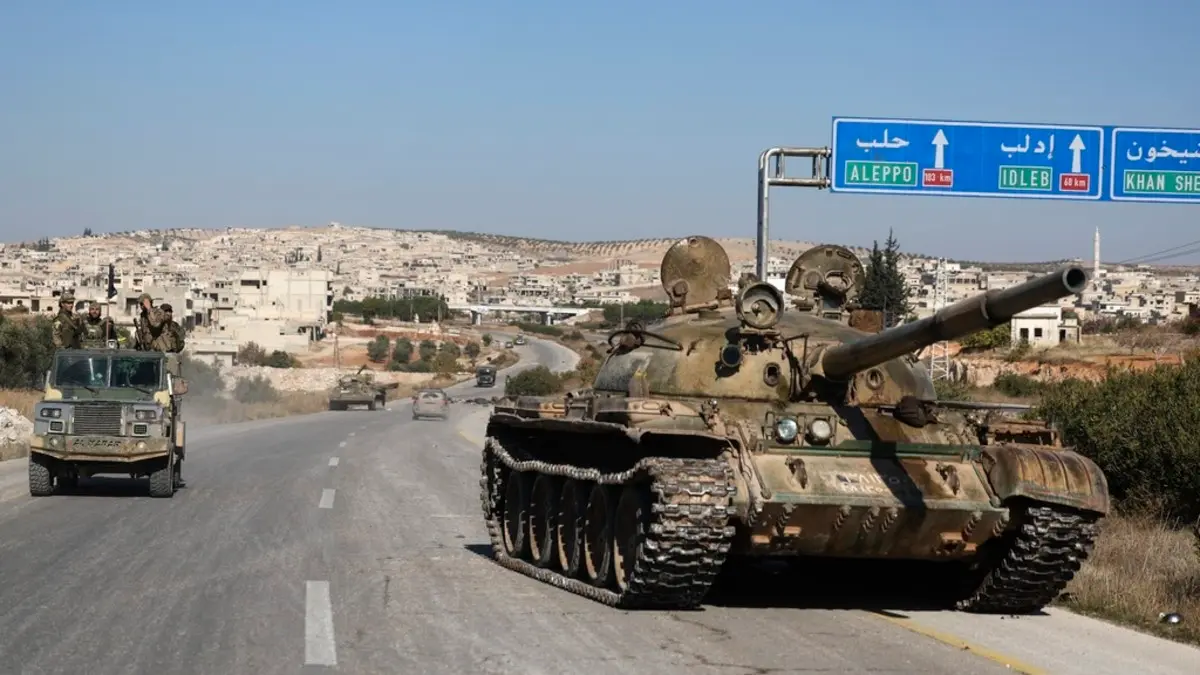
A year has passed since the fall of the former Syrian regime following the battles that began in late November 2024, which reshaped the balance of power in Syria and resulted in Hayat Tahrir al-Sham and military factions from the south taking control of wide areas, eventually entering Damascus. While the Syrian Democratic Forces confronted Turkish expansion attempts in the northeast, Israel carried out extensive air operations targeting Syrian and Iranian military sites, amid the absence of a unified Syrian military institution after the regime’s collapse.
Start of the Operations and the Decline of the Regime’s Allies
The operations were launched under the name “Operation Deterring the Aggression” on November 27, 2024, amid tense regional circumstances including the war in Gaza and the escalation between Israel and Hezbollah. Despite the significant military presence of Iran and Hezbollah in Syria in previous years, the fate of those forces after the regime’s fall remained unclear.
Previous reports estimate that the size of Iran-backed forces in Syria ranged between 20,000 and 30,000 fighters at peak stages, including IRGC members, allied groups, and Hezbollah.
Rapid Advance and the Accelerated Collapse of the Former Regime
The operations began in western Aleppo countryside, and within 48 hours the attacking forces managed to seize wide areas in Aleppo and Idlib countryside before fully taking control of Aleppo city in early December. The former regime then retreated toward Hama, which fell on the 5th of the same month, leaving its presence limited to Damascus, Homs, and parts of Daraa and Quneitra.
Role of Southern Factions and Entering Damascus
In the south, local factions in Daraa led by Ahmed Al-Awda moved and managed to control the province and its countryside in parallel with the withdrawal of the former regime forces. At the same time, attacks by Hayat Tahrir al-Sham pushed regime forces to withdraw from Homs. Despite regional attempts to halt military advancement through the Astana talks, the attackers continued their push toward the capital.
On December 8, 2024, the attacking forces announced their entry into Damascus, while former president Bashar al-Assad left for Moscow.
Escalation in the North Between Turkey and the Syrian Democratic Forces
Turkey-backed factions sought to advance in the north, taking advantage of the regime’s collapse, but the Syrian Democratic Forces repelled the attacks on Manbij starting November 27. On December 11, a ceasefire was announced with U.S. mediation. Nevertheless, intermittent clashes continued without major changes in territorial control.
During the same period, the Syrian Democratic Forces took control of areas in Deir ez-Zor countryside, Al-Bukamal, Al-Mayadin, and parts of Raqqa countryside before returning to their positions after forces of Hayat Tahrir al-Sham approached the outskirts of those areas.
Israel Targets the Syrian Military Arsenal
Following the regime’s fall, Israel conducted an air operation on December 11, 2024, described as the largest in years, targeting military sites, weapons depots, and airports. Media estimates indicate the destruction of more than 120 sites, 8 airports and air bases, and missile depots belonging to Iran-backed forces, amid reports of the withdrawal or killing of thousands of fighters loyal to Tehran.
Absence of a Unified Syrian Military Institution and Shifts in the South
A year after the events, a unified Syrian military institution has yet to be formed following Hayat Tahrir al-Sham’s decision to dissolve the army and security apparatuses. Various armed factions and groups currently dominate the military landscape in the country.
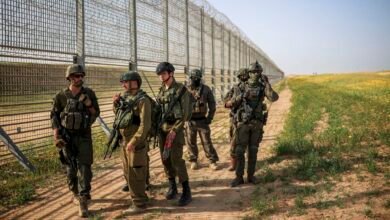
In the south, Israel has expanded its military presence beyond the disengagement zones established in 1974 and is reportedly seeking to establish a buffer zone that includes the governorates of Quneitra, Suwayda, and Daraa, in addition to parts of southern rural Damascus extending toward areas near the capital.