The U.S.–Israeli strike on Iran: Objectives extending beyond the nuclear file to the maps of economy and energy
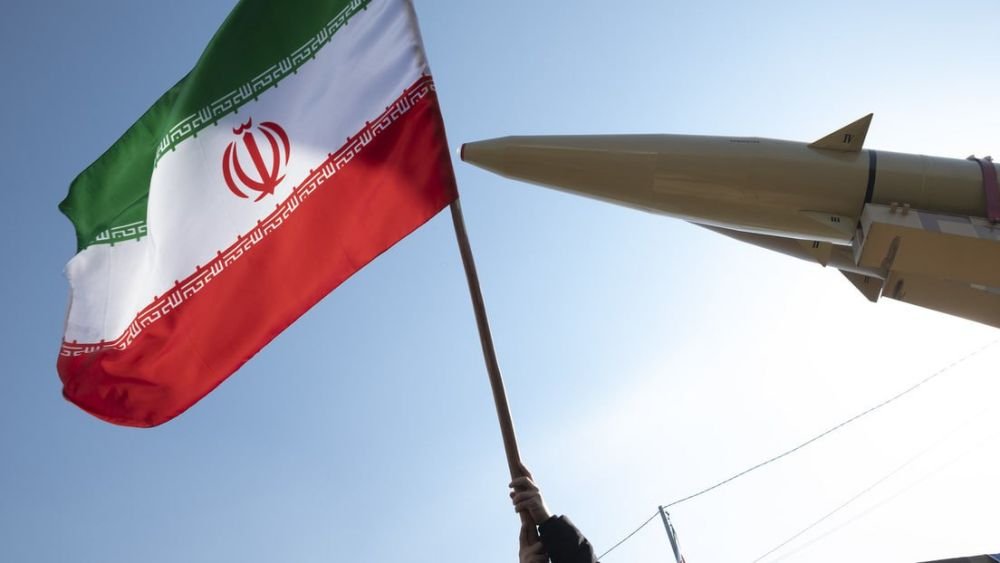
The confrontation being waged by the United States and Israel against Iran has entered an unprecedented phase, with escalating military strikes expanding to include strategic targets deep inside Iranian territory, in what observers describe as the most dangerous shift in the regional balance of power in decades.
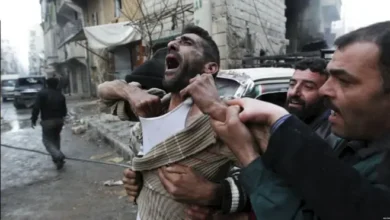
In the past hours, a pivotal development emerged with the announcement of the killing of Iran’s Supreme Leader, Ayatollah Ali Khamenei, in a precision strike attributed to the ongoing military operations. The event has sent political and security shockwaves across Iran and opened the door to unprecedented scenarios regarding the future of the Iranian regime and the region’s balance of power.
Broad Military Escalation
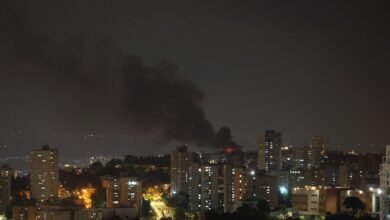
These developments have coincided with a marked escalation in military operations. Airstrikes and long-range missiles have targeted military facilities and strategic infrastructure, including sites linked to the missile program and command-and-control centers. Meanwhile, U.S. and Israeli forces in the region have placed their bases on maximum alert in anticipation of a potential Iranian response.
Observers argue that the confrontation is not limited to direct military objectives; rather, it represents a strategic turning point in the struggle for influence in the Middle East, incorporating economic and geopolitical dimensions tied to global trade and energy corridors.
Political and Economic Dimensions
Dr. Samir Al-Hashem, an expert on Iranian affairs, states that the U.S. strategy aims to politically and militarily contain Iran while keeping the regime in a state of sustained weakness, thereby enabling control over regional balances without becoming entangled in a prolonged occupation war.
For his part, economic analyst Bahaa Al-Suwaie contends that Tel Aviv does not view Iran solely as a security threat, but also as an obstacle to its regional economic projects, particularly those related to trade and energy corridors stretching from the Gulf to Europe, amid regional competition with powers such as Turkey and Iran itself.
The India–Middle East–Europe Corridor
In the background of the conflict stands the India–Middle East–Europe Corridor project, which has evolved into a focal point of international competition for economic influence. Experts in international relations indicate that this corridor represents a strategic artery linking Asia to European markets, and that Washington seeks to consolidate it as a geopolitical leverage tool to curb China’s expansion along vital trade routes and reinforce the U.S. presence at the heart of the Middle East.
According to this perspective, weakening Iran could help remove geographic and security obstacles to the flow of goods and energy from the Gulf to Europe, thereby increasing the significance of any shift in Iran’s internal situation.
A Geographical Nexus and a Vital Strait
Iran’s importance lies in its geographic position and its oversight of strategic maritime passages, most notably the Strait of Hormuz, through which a substantial portion of global oil exports transit, granting Tehran a sensitive position in international energy equations.
Military experts argue that any attempt to weaken or subdue Iran requires precise calculations regarding logistical chains and maritime security, as any internal security vacuum could directly impact shipping and energy flows and alter the rules of the regional game.
Regional Concerns
As military operations intensify, regional powers, including Saudi Arabia and Turkey, have expressed concern over the consequences of a sudden collapse of the Iranian regime, fearing waves of displacement and border instability that could affect regional markets and economies.
Analysts suggest that these concerns reflect a dilemma facing the U.S.–Israeli strategy: some regional allies may prefer a weakened Iranian regime over a complete power vacuum, given the risks of instability such a vacuum would entail.
Reshaping Influence
Recent developments indicate that the conflict has moved beyond a conventional confrontation and is evolving into a comprehensive process of reshaping the balance of power in the Middle East, where military dimensions intersect with economic and geopolitical calculations.
While Iran remains a key geographic node in the global trade and energy equation, Israel is preparing to strengthen its position as a hub for energy and goods transit, potentially positioning itself as a strategic bridge between Asia and Europe.
Observers believe the current confrontation may mark a historic turning point in the regional order, with warnings that it could evolve into a protracted conflict that redraws the maps of influence in the Middle East for decades to come.