Legal Controversy Surrounding the General Amnesty Decree in Syria… Questions Regarding Constitutional Powers
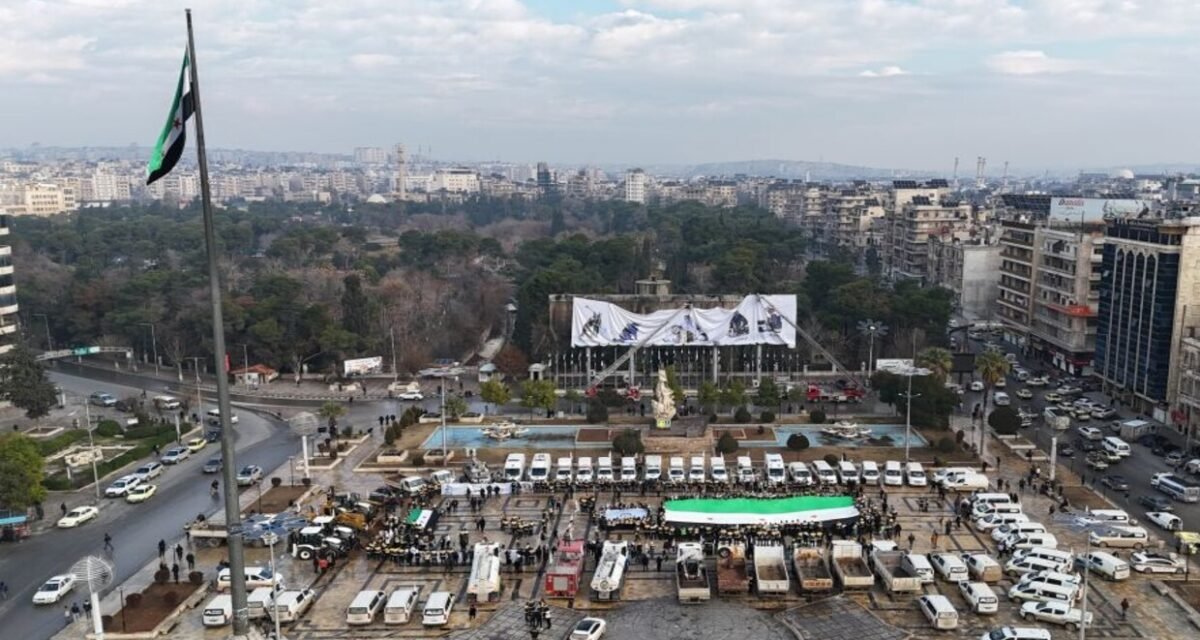
The general amnesty decree issued by the interim Prime Minister, Ahmad al-Shara, has sparked widespread legal and political controversy. The debate revolves around the constitutionality of the decision and the authority responsible for issuing it during the transitional phase.
According to what has been publicly stated within the framework of the transitional phase, the powers of the transitional president are defined by the constitutional declaration, which grants the president the right to issue only a special amnesty, i.e., to pardon or reduce the penalty for an individual after a judicial ruling, according to Article 40.
On the other hand, a general amnesty differs legally in that it is not limited to waiving the punishment; it removes the criminal nature of the act itself and erases its legal consequences. It includes categories of individuals who are not named, making it, according to legal experts, a legislative act par excellence.
Experts argue that general amnesty is within the jurisdiction of the legislative authority, as it affects public order, the rights of society and victims, and results in a broad modification of the classification of acts and their legal consequences. Constitutional practice in most systems has established that it should be issued through a law passed by parliament or a body authorized to exercise legislative power.
This issue arises in light of the absence of an elected legislative council in Syria so far, raising questions about the constitutional basis of the decree amid the current legislative vacuum. Observers assert that the absence of a legislative authority does not grant the executive authority the right to replace it in fundamental matters, especially those related to transitional justice and the rights of those affected.
Legal experts point out that any general amnesty issued without a clear provision granting this power could face legal challenges. They believe that addressing the issue—whether politically motivated or aimed at calming the situation—requires either amending the constitutional declaration to explicitly grant this power or forming a temporary legislative body to issue a general amnesty law through clear and transparent procedures.
According to observers, the issue goes beyond procedural matters to touch on the principle of separation of powers and the limits of authority during the transitional phase. There are warnings that any expansion in the interpretation of constitutional provisions could open the door to controversial legal precedents in the future.
Amidst this debate, the question remains whether the decree will represent a step toward stability or add a new dimension to the already complex legal and political landscape in the country.