Repeal of the Caesar Act: The Beginning of a New Geopolitical Phase
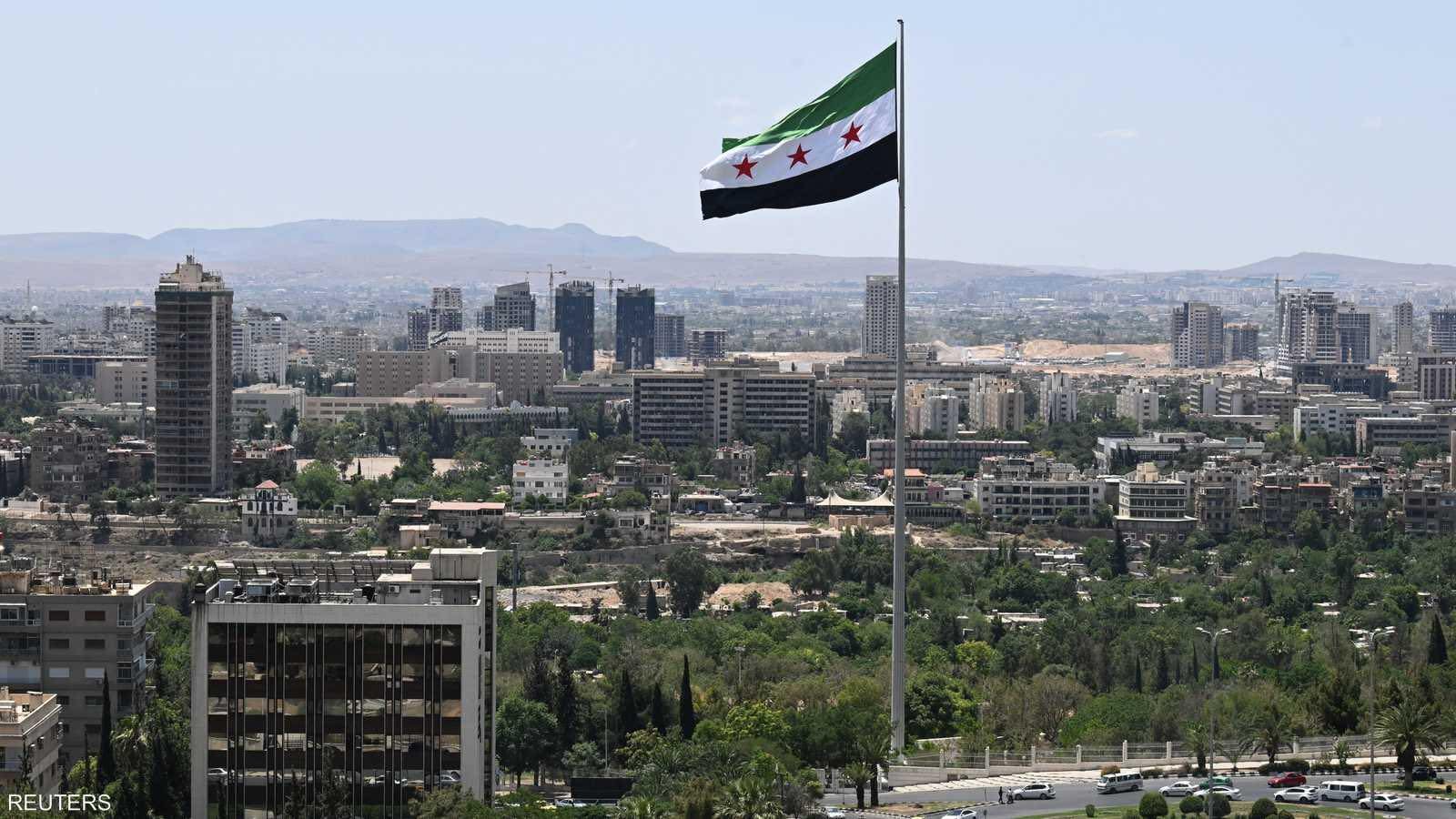
The repeal of the Caesar Act imposed on Syria since 2019 represents an important shift in the U.S. approach toward Syria and a reconfiguration of political and economic leverage tools in the region. This shift is not limited to lifting a legal measure; rather, it reflects a transition from a policy of comprehensive sanctions to a political and security oversight system based on periodic assessment.
General Framework
The repeal of the Caesar Act does not mean the complete removal of U.S. sanctions, but rather a modification of their implementation mechanism. Sanctions have moved from a broad, general framework to a more targeted one, linking their easing or reimposition to the political and security behavior of the authorities in Damascus. Semiannual reports prepared by the U.S. administration constitute a key tool for evaluation, pressure, and continuous review.
U.S. Criteria Governing the New Phase
1 Counterterrorism and Security Cooperation
The United States places counterterrorism at the forefront of its priorities, with a focus on the level of transparency and cooperation in confronting ISIS. This criterion is considered fundamental in redefining the legitimacy of the existing authority and its security role in Syria.
2 Foreign Fighters and the Structure of Authority
Assessments indicate the presence of U.S. pressure aimed at removing foreign fighters from Syria and reorganizing the structure of authority in Damascus in a manner that reduces the influence of foreign powers within state institutions and agencies.
3 Re-engineering the Political System
According to this approach, Washington seeks to push toward a political project that goes beyond the traditional human rights framework and focuses on building a constitutional system that reflects societal diversity and ensures political representation, within the context of re-engineering Syrian politics.
4 Security of Israel and Neighboring States
The security of Israel and U.S. allies remains a constant element of U.S. policy, with abstention from any military actions or threats against neighboring countries as a condition, and an emphasis that any escalation could lead to the reimposition of new sanctions.
5 Northeast Syria and the Decentralization Dimension
This point is linked to the implementation of previous political understandings and includes support for the existing political situation in Northeast Syria, preventing any forced interventions or demographic changes, and protecting local partners in the fight against ISIS. This is viewed as an indicator of a trend toward a decentralized model in the future Syrian state.
6 Financial Oversight and the Economic System
The United States seeks to link the Syrian economic system to international financial oversight, enabling it to monitor financial flows, combat terrorist financing, limit the proliferation of weapons, and combat money laundering.
7 Combatting Captagon
U.S. criteria emphasize the necessity of combating the production and trade of the drug Captagon, considering it a regional and international security threat, and have made this issue a fundamental condition for any international openness.
8 Future Conduct and Political Settlement
The U.S. approach focuses on the conduct of the Syrian state in the coming phase rather than accountability for the past, while opening the door to potential political agreements and a comprehensive settlement that goes beyond the repercussions of the events of 2011.
Conclusion
The repeal of the Caesar Act reflects a transition in U.S. policy from a comprehensive sanctions approach to one based on conditions and criteria. This phase represents a test of the extent to which the new Syrian authorities are committed to these criteria and their ability to engage in a different political, security, and economic path that may shape the future of Syria in the coming phase.
Idris Hanan