Networks Involved in Antiquities Smuggling and Influence Exploitation in Syria, According to Multiple Reports and Sources
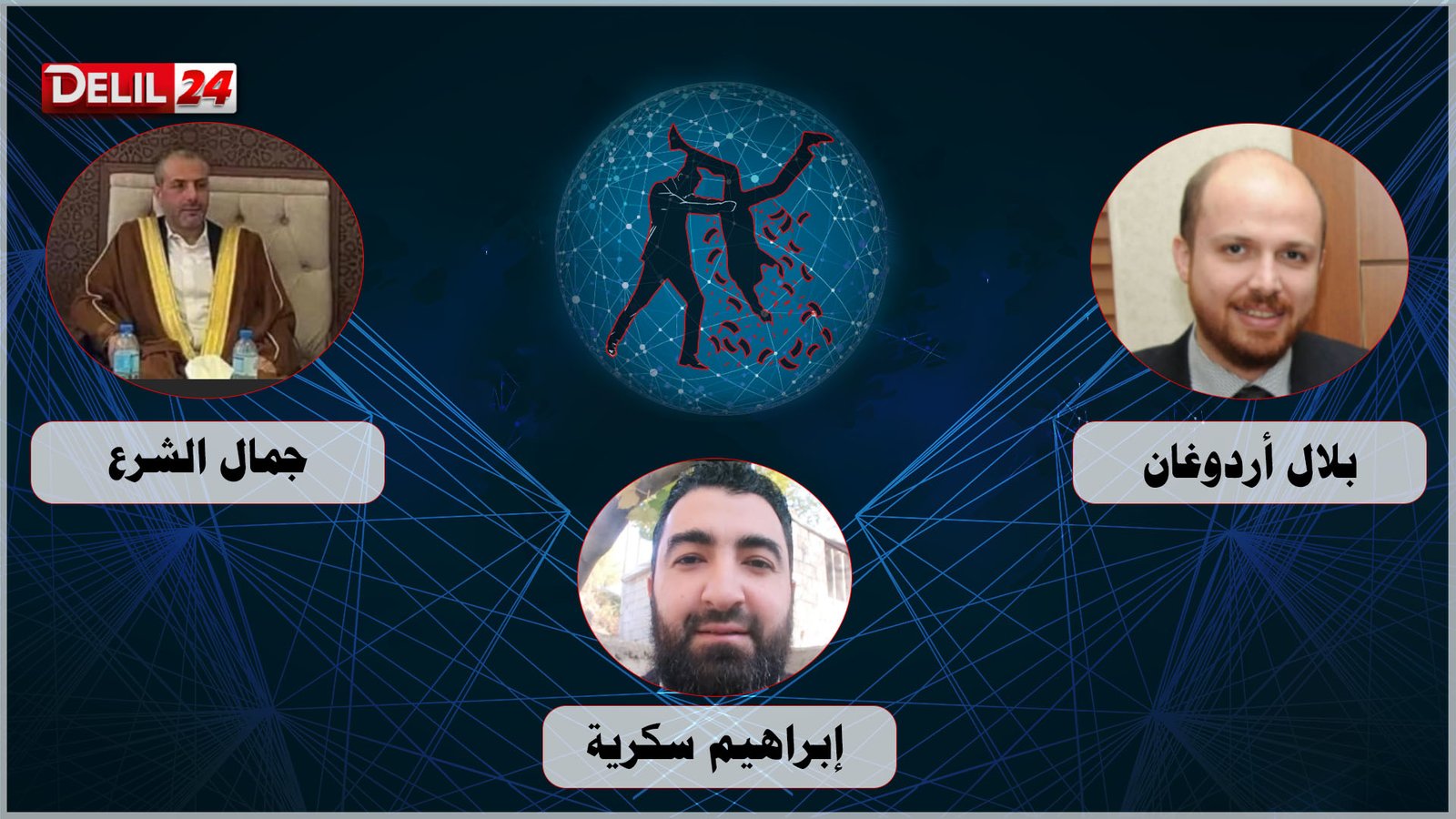
Several media reports indicate the existence of networks suspected of involvement in smuggling Syrian antiquities to Turkey, alongside accusations of exploiting family and political influence for personal gain. These investigations shed light on the activities of local and regional figures and reveal alleged roles in exploiting the political and security vacuum in Syria following the fall of the Baath regime.
A Secret Armed Network in Damascus
According to the sources, the alleged network includes Jamal Al-Shar’a, brother of Ahmed Al-Shar’a, as well as Bilal Erdoğan, son of Turkish President Recep Tayyip Erdoğan, and Ibrahim Sukkariyeh, known as “Abu Maryam the Australian.” The sources say this network operated secretly in Damascus to steal antiquities from historical sites and from the National Museum of Damascus and transport them to Turkey. Reports indicate that a man identified as Brigadier General Osama Mohammad Khair Atkeh assisted in the transportation and smuggling operations and was, according to the sources, responsible for searching for antiquities in the Palmyra governorate.
Bilal Erdoğan’s Files
Some of the published information is based on Turkish journalistic investigations, most notably by a journalist named Turgut Oglu in 2018, who referred to suspicious commercial deals conducted by Bilal Erdoğan with international parties, including deals with Israel. The reports mentioned accusations of falsifying multi-billion-dollar tenders, in addition to allegations of hiding millions of dollars with his father and money laundering in Italy. According to these sources, the accusations were presented by Russian parties and international media outlets in a tense political context.
Ibrahim Sukkariyeh and His Alleged Role
As for Ibrahim Sukkariyeh, a Lebanese national, he previously worked with Hay’at Tahrir al-Sham before the fall of the Baath regime. According to the sources, he was linked to antiquities smuggling activities and acts of violence during ISIS’s entry into the Palmyra governorate in 2015, including reports about the killing of a local scholar. The sources add that he is currently responsible for business affairs in Damascus and oversees special files related to the Assad family, in addition to managing communications within the alleged network.
Goals of the Alleged Network
According to the reports, the network exploits the security and political vacuum in Syria to smuggle antiquities, properties, and factories for the benefit of Turkey, with the aim of boosting the Turkish economy at the expense of Syrian heritage and culture. The sources describe the new Syrian state as focusing on economic gains without regard for heritage or local populations.
The Governing Authority and the Syrian Landscape
The sources indicate that the government of Hay’at Tahrir al-Sham is run according to a centralized model similar to Bashar al-Assad’s regime, focusing on the loyalty of internal leadership and the pursuit of political and personal interests, while ignoring citizens’ needs. It is believed that this network operates within this framework, benefiting from security and administrative positions to ensure the execution of smuggling operations and the exploitation of family and political influence.
Historical Background and Analysis
Specialized heritage protection bodies say that conflict zones often become fertile ground for smuggling, and that the alleged operations coincide with the collapse of state institutions in Syria after the fall of the regime. These bodies stress the importance of investigation and legal prosecution, emphasizing that the information published so far has not been confirmed by any official judicial authority but provides an indication of the scale of the activity believed to be taking place under the table.