United Nations Marks the Day of Victims of Genocide and Calls for Strengthening Prevention and Accountability Mechanisms
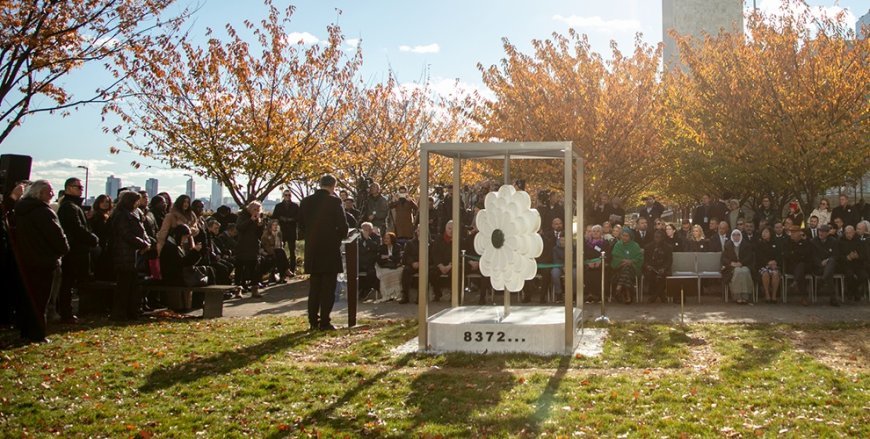
The United Nations marks, on 9 December, the International Day of Commemoration and Dignity of the Victims of the Crime of Genocide and of the Prevention of this Crime, an annual occasion that reminds the world of the gravity of the atrocities committed against human groups throughout history and calls for preventing their recurrence and strengthening international accountability mechanisms.
A high-level meeting is held at the UN headquarters with the participation of UN officials, Member States, and partner organizations. The event includes official statements and interventions aimed at stimulating urgent international efforts to prevent the crime of genocide and punish its perpetrators, as well as enhancing early warning and multilateral cooperation.
This year’s observance coincides with the tenth anniversary of the designation of this international day, and the seventy-seventh anniversary of the 1948 Convention on the Prevention and Punishment of the Crime of Genocide, which is considered the first human rights treaty adopted by the General Assembly.
In his message for the occasion, UN Secretary-General António Guterres affirmed that preventing genocide and punishing its perpetrators is a fundamental responsibility of states. He called on governments that have not yet joined the 1948 Convention to do so without delay, to ensure the implementation of its provisions, and to strengthen accountability for perpetrators.
In its resolution A/RES/79/328 issued in September 2025, the General Assembly expressed concern over the continued threats faced by thousands of civilians around the world, affirming the responsibility of states to protect their populations, prevent incitement to violence, and combat impunity as a key pillar of prevention efforts.
The United Nations stresses that prevention begins with addressing hate speech and the roots of discrimination, and by developing early-warning systems to detect signs of danger before they escalate. The Special Advisers on the Prevention of Genocide and the Responsibility to Protect continue to monitor situations that may involve threats of atrocity crimes and to provide the necessary briefings to support the protection of populations and safeguard their right to life and dignity.