A Year of Tension: The Transitional Government’s Relationship with Local Communities
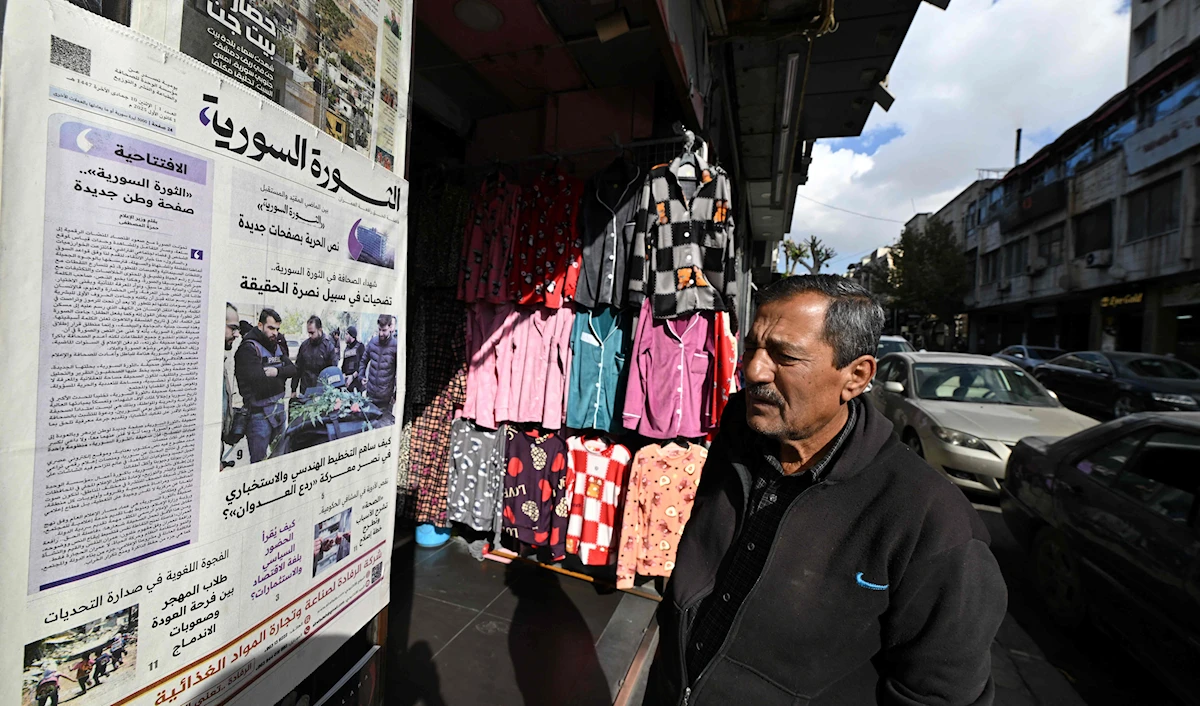
Syria has witnessed wide political, security, and social transformations during the year following the fall of the Baathist regime, accompanying the rise of the Transitional Government formed under the umbrella of (Hayat Tahrir al-Sham). These developments have impacted the government’s relationship with the country’s religious, ethnic, and social components, amid ongoing tensions and divergent positions among local actors.
Sectarian Tension and Decline in Social Cohesion
Field and human rights reports indicated a rise in sectarian tension, documenting the killing of 3,908 civilians on sectarian or religious grounds from the fall of the regime until November 2025, according to local documentation sources.
This coincided with political and media mobilization campaigns, leading to incidents of assault targeting students and young people from various communities, including the Druze and Kurds, in addition to civilians from the Alawite community who were subjected to killings and arrests.
The Syrian Coast: Political Exclusion and Attempts at Civil Organizing
The coastal regions witnessed broad reactions to a government narrative linking members of the Alawite community to the security legacy of the former regime. The area experienced several attacks, most notably the March 2025 attack, which coincided with incitement campaigns through media and religious platforms in several cities.
At the same time, efforts emerged to establish local civil and political frameworks. In February 2025, the “Alawite Islamic Council in Syria and the Diaspora” was announced, calling after the Homs events for guarantees to prevent targeting the community. Later, the “Political Council for Central and Western Syria” was launched, though it failed to achieve tangible influence.
As-Suwayda: Official Marginalization Met with Internal Organization
In As-Suwayda Governorate, local forces expressed concerns that they were subjected to governmental marginalization despite their role in confronting ISIS in the past.
In July 2025, the governorate witnessed an attack attributed to tribal groups, resulting in hundreds of casualties, amid a rise in inflammatory rhetoric targeting the Druze community.
In response, local figures and institutions announced steps to organize internal efforts, most notably:
• Forming the Higher Legal Committee and a temporary executive office.
• Activating relief and human rights committees.
• Announcing the unification of several factions under the “National Guard” umbrella, under religious and social supervision led by Sheikh Hikmat al-Hijri.
Northeast Syria: Autonomous Administration and a Stalled Negotiation Path
The Autonomous Administration in North and East Syria faced governmental accusations of seeking separation or external alignment, while Kurdish political forces affirmed their commitment to national solutions based on the updated social contract.
In March 2025, an agreement was signed between the Transitional Government and the Autonomous Administration, with international mediation, including provisions related to institutional, administrative, and military integration. However, implementation stalled—according to Administration representatives—due to governmental delays and regional interventions.
The region also witnessed local initiatives aimed at strengthening communication with other governorates, including:
• Sending aid to As-Suwayda after the attacks.
• Supporting those affected by the coastal fires.
• Holding the Conference of Syrian Components in Al-Hasakah to promote national dialogue, an initiative that was not welcomed by the government.
Between Escalation and Calm: An Open-Ended Landscape
With ongoing tensions between the Transitional Government and various local components, the Syrian scene remains open to multiple possibilities.
Developments indicate that the absence of an inclusive governmental project poses a major challenge to social stability and rebuilding trust among Syria’s components, at a time when some local forces are moving toward institutionalizing their efforts as an alternative to formal processes.