Syria: Volatile Security Landscape and Public Protests with No Government Response
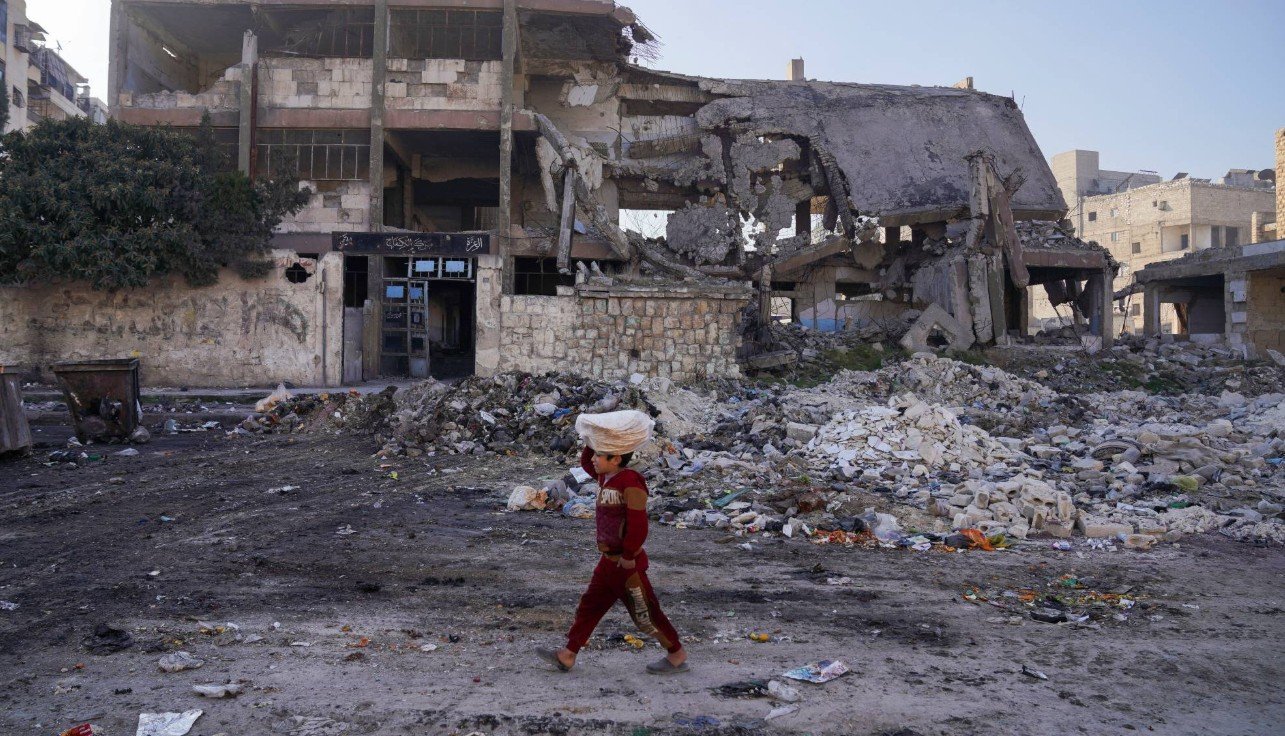
Several areas across Syria have witnessed escalating security tensions in recent weeks, including local violence, public protests, and Israeli strikes, amid the absence of clear statements or measures from the transitional government regarding the ongoing developments, according to local sources and field reports.
In Homs Province, local sources reported intermittent clashes between armed groups in some neighborhoods and villages, resulting in casualties and the displacement of families to safer areas. No official comment has been issued regarding the incidents or steps taken to contain the tensions.
At the same time, protests erupted in cities along the Syrian coast, including Latakia and Tartous, calling for improved living conditions and strengthened security measures. Other cities such as Homs and Hama saw similar gatherings demanding an end to local clashes and accountability for those involved in recent assaults. In contrast, pro-government rallies were organized, raising slogans that sparked wide controversy due to their provocative nature, according to participants and eyewitnesses.
In the south, Israeli strikes have been repeated in recent days, including a major operation around the town of Beit Jinn in rural Damascus, which resulted in deaths and injuries, according to medical sources. The transitional government has issued no official response regarding the attacks or the expected course of action.
Meanwhile, areas in the north and east of the country — including Sheikh Maqsoud neighborhood in Aleppo and regions in Deir Hafer, Raqqa, and Deir ez-Zor — experienced security tensions accompanied by sporadic clashes between transitional government forces and other local factions, without any official announcement regarding the causes or outcomes of the escalation.
Residents and civil actors in multiple regions express growing fears that instability could expand further if no official steps are taken to contain the tensions and clarify future security policies.