Severe Shortage of Drinking Water Aggravates the Suffering of Rural Hama Residents
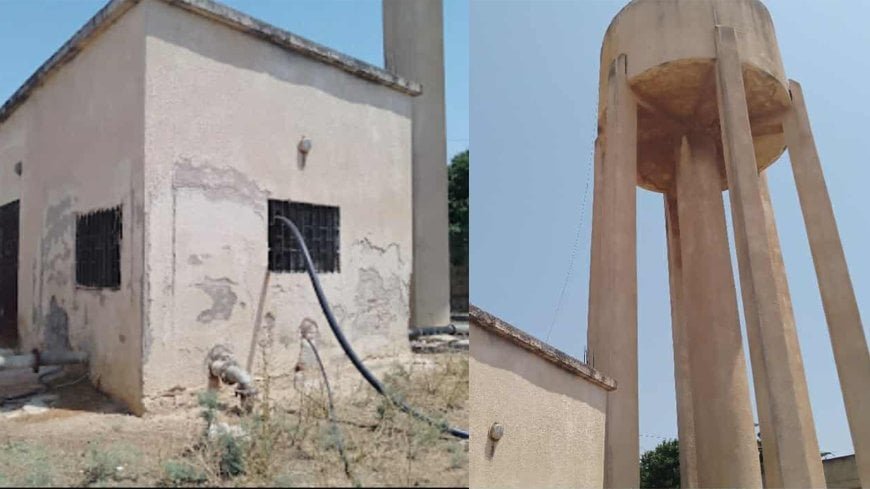
Residents of villages in rural Hama are experiencing a significant decline in drinking water services, as wide areas rely on old networks and insufficient wells to meet the population’s needs, according to local sources.
In the village of Blin in western rural Hama, which is home to about five thousand people, the water crisis has persisted for decades, with residents depending on a water network dating back to the late 1950s.
Official sources say the village relies on only two wells: one with a production capacity of about 10 cubic meters per hour, and the other reaching 40 cubic meters per hour, amid complaints about the instability of the pumping system, which gradually deteriorates a few days after operation.
The capacity of the village’s main reservoir does not exceed 60 cubic meters, which residents describe as insufficient to cover their daily needs.
Despite the concerned authorities acknowledging the scale of the problem, sources indicate that the proposed solutions are limited to studying the conversion of one of the wells to operate on solar power, with no clear timeline for implementing the project. Residents have donated a plot of land to facilitate the project, while they demand replacing the old network with a new one that meets the village’s needs and helps improve the continuity of water pumping.
Local residents say that slow procedures and the absence of clear, actionable solutions are worsening their suffering, while similar complaints persist in several areas of rural Hama.