Stolen Artifacts: How Treasures of Palmyra and Bosra Are Traded in Secret Markets
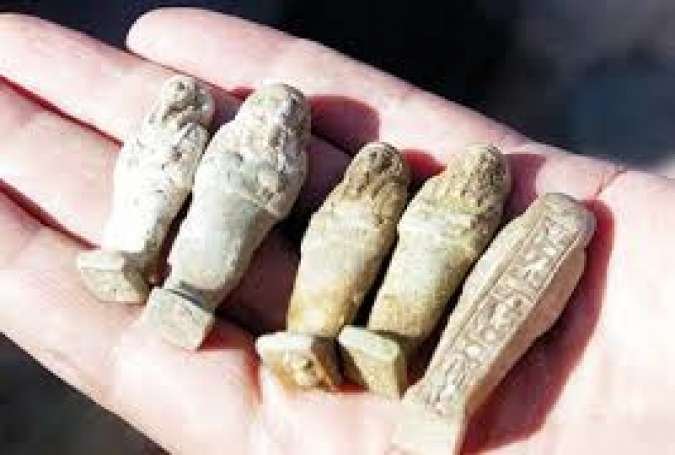
As the conflict in Syria continues, theft and smuggling of antiquities have escalated, evolving from isolated incidents into an organized activity managed by networks linked to armed factions and criminal groups. These networks target major archaeological sites such as Palmyra and Bosra, extracting rare pieces including statues, mosaic panels, and ancient manuscripts.
Routes and Secret Markets
Smuggled artifacts follow complex routes across borders into neighboring countries, eventually making their way to secret international markets in Europe and Asia. Forged documents are used to facilitate passage, and items are sold in closed auctions to collectors and wealthy buyers. Social media platforms and private forums have also emerged as key channels for promotion and sale, away from official oversight.
Cultural, Economic, and Security Implications
The issue extends beyond the loss of a part of Syria’s cultural heritage; it also has economic and security repercussions. Funds generated from this illicit trade are used to finance armed groups, thereby prolonging the conflict.
Countermeasures
At the international level, organizations like UNESCO work on documenting missing pieces, pursuing those involved, and recovering whatever can be reclaimed of this heritage. However, the greatest challenge remains stopping ongoing smuggling operations and protecting the remaining Syrian archaeological treasures, which are a vital part of the national identity and history.