Syria: A Struggle Over Identity Amid Deep Demographic and Social Changes
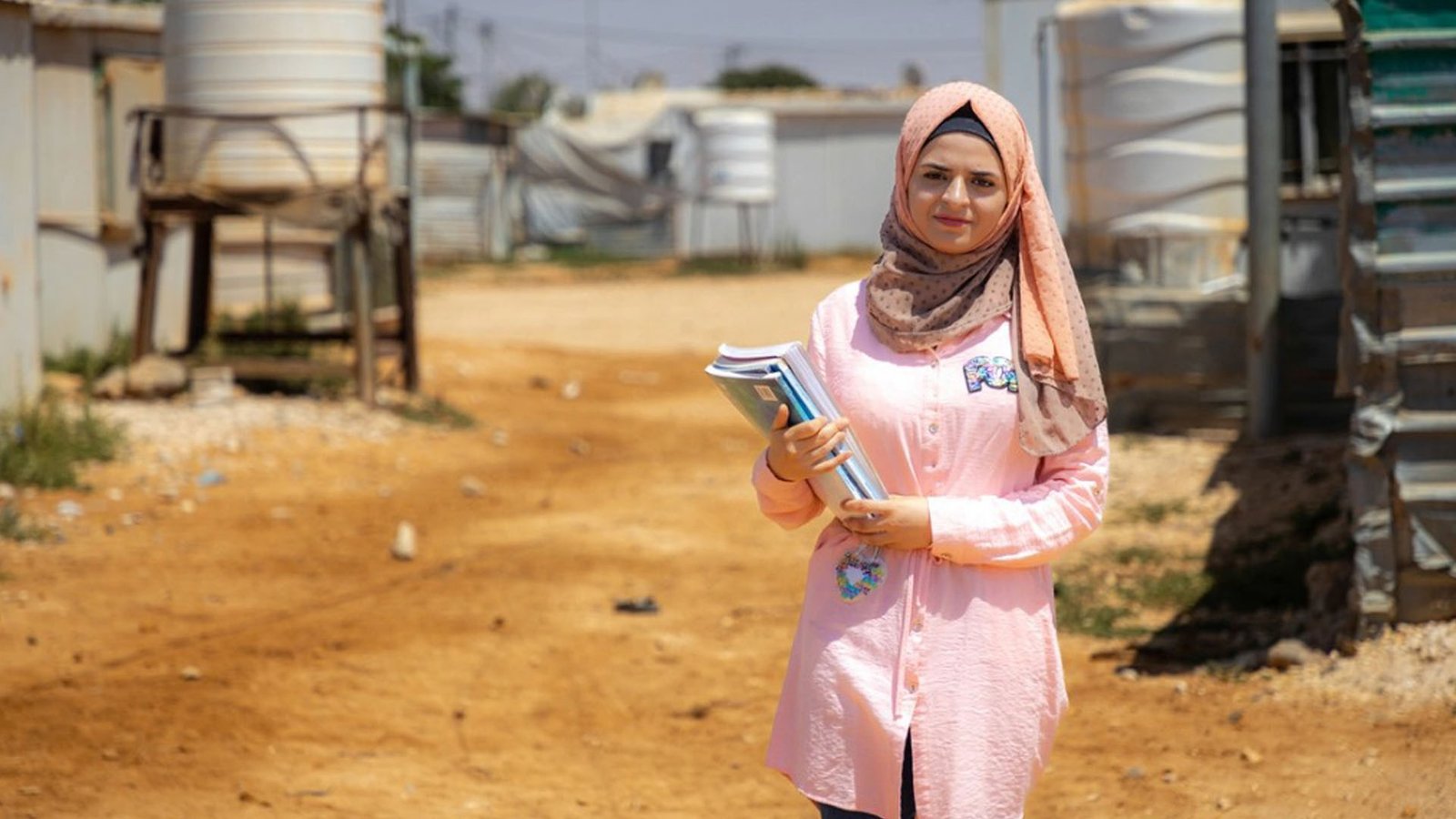
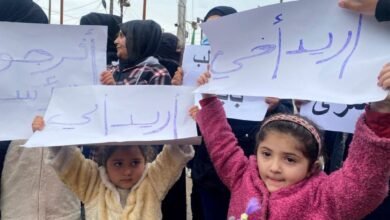
Damascus – The conflict in Syria is no longer limited to military and political confrontations; it has now extended deep into Syrian society, forming a struggle over identity and the social fabric. The large-scale displacement and refugee movements that have taken place over more than a decade have led to fundamental changes in the country’s demographic makeup. Millions of Syrians have been internally displaced or have sought refuge in neighboring countries and Europe, leaving a demographic void and raising serious questions about the country’s future.
The issue of refugee return faces major challenges, most notably the destruction of infrastructure, security concerns, and economic pressures — all of which complicate efforts to restore social stability.
In the education sector, this disparity is particularly evident. School curricula and educational structures in areas outside government control are managed by various entities, ranging from local organizations to regional powers such as Turkey. Researchers warn that such fragmentation may give rise to new generations with differing cultural and ideological reference points, potentially deepening societal divisions in the long term.
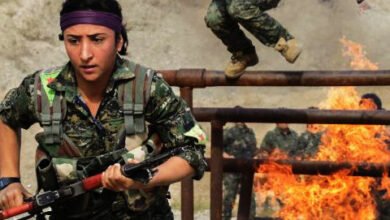
Despite these challenges, women and youth have played a pivotal role in civil and political activism — whether through revolutionary movements or humanitarian initiatives. However, obstacles related to empowerment and participation continue to limit their direct impact on shaping Syria’s future.
Analysts affirm that a resolution in Syria cannot be confined to narrow political or security-based settlements. Instead, it must include the reconstruction of the social and cultural fabric on new foundations of pluralism and mutual recognition, ensuring the transcendence of divisions and the establishment of an inclusive national path forward.