Over 70 Schools Evacuated in Isfahan Due to Land Subsidence
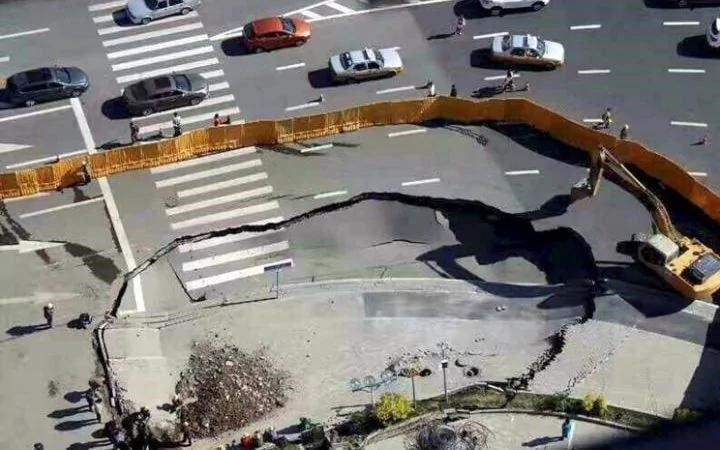
The governor of Isfahan, Mehdi Jamali Nejad, announced on Monday, September 15, 2025, that the wave of land subsidence in the province has reached dangerous levels, ranging between 15 and 18 centimeters annually. This has led to the urgent evacuation and closure of between 70 and 80 schools.
Jamali Nejad explained in a statement to Iranian television that the main causes of this phenomenon are excessive water consumption and the drilling of thousands of illegal deep wells for agricultural purposes, in addition to the drying up of the Zayanderud River, which runs through the city and serves as its primary water source.
Vital Facilities at Risk
The governor pointed out that the areas affected by land subsidence are not limited to schools but also include:
9 Isfahan metro stations
274 fire stations
328 mosques
37 libraries
3 major hospitals
1 hotel
258 other schools currently under assessment
He confirmed that some of the evacuated schools have already partially collapsed, raising further concerns about the safety of buildings and infrastructure in the city.
Official Warnings
Meanwhile, the head of the Iranian Geological Survey Organization announced the preparation of what he described as the “secret map of land subsidence in Iran,” noting that the most severe subsidence cases were recorded in the Behrman plain in Kerman province, with rates reaching 31 centimeters annually, and on a street in the capital Tehran where subsidence reached 30 centimeters.
Threat Beyond Global Standards
According to experts, any subsidence rate exceeding 4 millimeters annually is considered abnormal by international standards and poses a serious threat to infrastructure and the safety of residents. This makes the rates observed in Isfahan, Kerman, and Tehran catastrophic by all measures.