After a Long Absence… The Return of General Munaf Atalas to the Syrian Scene Raises Questions
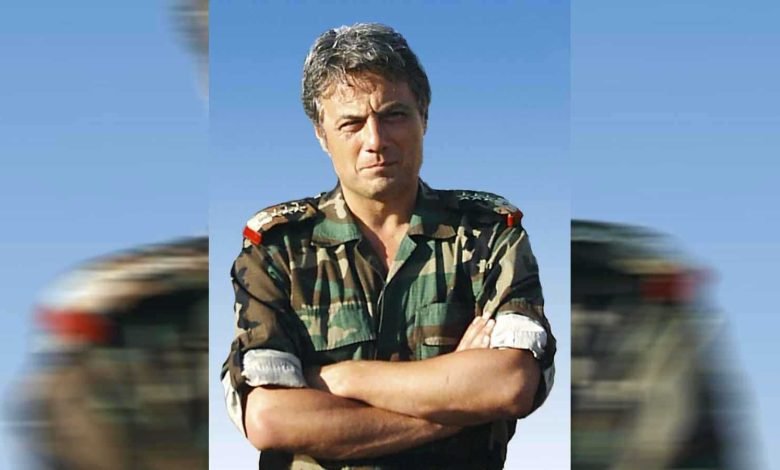
Brigadier General Munaf Atalas, the defector, has returned to the spotlight of media and politics after years of absence from the Syrian scene, in a move that sparked wide controversy regarding its possible implications and the future role he may play in Syria.
Lecture in Paris
On September 13, Talas delivered a lecture in Paris titled: “The Syrian Situation After the Fall of the Regime and Current Challenges.”
The lecture, attended by several European officials and diplomats, gave his appearance an international dimension and reopened the debate about the possibility of his return as a player in Syria’s future.
Potential Political Implications
Observers believe Atalas’s renewed prominence may reflect behind-the-scenes movements related to the Syrian dossier, amid unconfirmed reports about the possibility of announcing an international settlement before the end of the year.
It was also noted that Talas theoretically has the ability to attract thousands of former fighters, raising questions about his potential position in any forthcoming transitional phase.
Local Criticism and Doubts about Influence
On the other hand, close associates downplay the significance of his reappearance, pointing out that he has lost any popular or military weight inside Syria.
Local sources considered his political rebranding to remain “limited in effectiveness,” adding that the current Syrian regime is not affected by external figures like Talas, given the dominance of military forces and direct influence over the scene.
Background: From Power Corridors to Exile
Munaf Atalas comes from a prominent military family; he is the son of former Defense Minister Mustafa Atalas.
He was close to Basil al-Assad and then to Bashar al-Assad after Basil’s death, and held membership in the Ba’ath Party Central Committee. He also played the role of mediator between the regime and armed opposition in Ghouta, Daraa, and Rastan.
However, by mid-2012, his relationship with the regime deteriorated, leading to his defection and departure from Syria to Paris, with the help of his sister Nahid Atalas Al-Ajjeh and coordination with external parties.
Later, his name was proposed as a potential candidate to lead a military council or transitional phase, but he did not actively engage in any political or military opposition movements, causing his presence to gradually diminish.
Uncertain Future
Despite indications of possible support from external parties, Atalas’s future remains uncertain. Observers believe that his long absence from military and political work has limited his chances of influence on the Syrian and international stage, making his current return seem more like an attempt to reposition himself rather than the start of a pivotal role.